Join 250,000+
professionals today
Add Insights to your inbox - get the latest
professional news for free.
Join our 250K+ subscribers
Subscribe15 SEP 2025 / EXPERT INSIGHTS
Sarah has reviewed hundreds of purchase agreements involved in buying or selling accounting firms and has recommendations for both parties. Her recommendations include reading and fully understanding every part of the agreement, paying more attention to the 'representations & warranties' section where most problems occur and seeking help in understanding the complexities of the deal before finalizing.
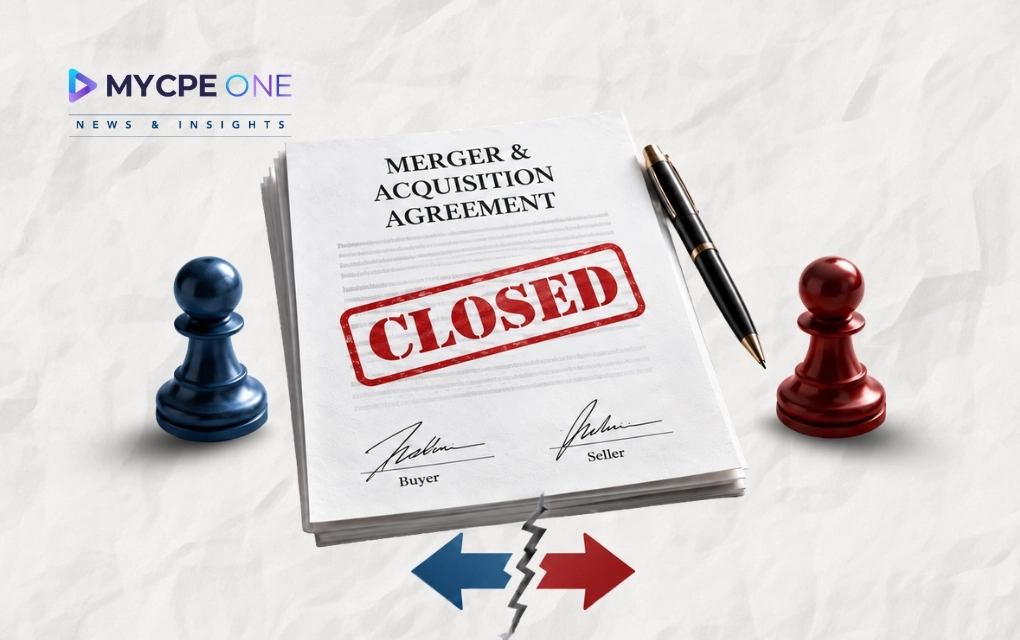
If you’re buying or selling an accounting firm, you’re about to meet your new best frenemy: the purchase agreement. It’s long, it’s legal, and it might be the most important document in your entire deal. Sarah has reviewed hundreds of these, and while no two are exactly the same, most asset purchase agreements (APAs) follow a common structure. If you understand the backbone of the document, you’ll be less likely to stumble into costly surprises later. Let’s break it down, section by section.
Pro Tip: Watch for how exclusions are structured.
This is where the good stuff lives:
Pro Tip: Watch how exclusions are structured. A typical legal trick: “Buyer gets everything unless excluded” vs. “Buyer only gets what is specifically included.” The first is better for buyers. Sellers tend to prefer the second. Most agreements land somewhere in between.
This section is usually short and to the point. It’s where the buyer confirms things like:
Nothing earth-shattering here, but still worth reading carefully.
This is the longest, densest section; and for good reason. It’s where each party makes specific promises about the state of the business. Think:
Even if these seem boilerplate, they matter. Why? Because if any of them turn out to be false, you may have a breach of contract claim. Sarah has seen over 70% of failed small business deals tie back to problems in this section; often undisclosed litigation or employment issues.
Bonus: These sections also act as a helpful forcing mechanism. Sellers often remember things they “forgot” during diligence once they’re asked to sign under penalty of perjury. It happens more than you’d think.
Here’s where the agreement sets rules for what happens after the ink dries:
CPA-Specific Tip: Your non-compete needs to actually protect the client list you're buying. A 20-mile radius isn’t much use if the seller is doing tax work online for clients across the country.
This section answers one key question: who pays if something goes wrong? It covers:
Example: A client sues for a mistake that happened before closing. Even if they sue both buyer and seller (which is common), indemnification clauses tell you who pays.
Bonus features you’ll see here:
It sounds skippable but it isn’t. The boilerplate is where lawyers hide weird surprises. Read it anyway. Look for:
Pro Tip: Make sure the seller signs personally if their company is disappearing post-sale. Otherwise, you’re stuck chasing a dissolved LLC when something goes sideways.
This is the “closing mechanics” section. If you’re doing a bifurcated sign-and-close (signing now, closing later), this part matters big time. You need clear conditions for what must happen before closing, because no one wants a vague “we’ll figure it out later” situation when money is on the line.
You probably don’t pull out the user manual for your fridge until it breaks. Don’t treat your purchase agreement the same way. Read it now. Understand it now. Ask the annoying questions now; before you’ve wired the money and inherited a hornet’s nest of legal liabilities. Need help understanding your own deal documents? We’ve got templates, checklists, and real-world guidance inside Deal Academy, all built for buyers and sellers of CPA firms.
Until next time…
Don’t forget to share this story on LinkedIn, X and Facebook
Subscribe now for $199 and get unlimited access to MYCPE ONE, from CPE credits to insights Magazine
📢MYCPE ONE Insights has a newsletter on LinkedIn as well! If you want the sharpest analysis of all accounting and finance news without the jargon, Insights is the place to be! Click Here to Join
Digital Marketing Services for CPA & Accounting Firms - Starting $399/month.
Struggling to attract new clients? MYCPE ONE’s Digital Marketing Services help accounting firms stand out, generate leads, and grow revenue effortlessly.
With expertise in SEO, paid ads, social media, and targeted PPC, MYCPE ONE maximizes your marketing efforts to deliver high ROI and broader industry reach.
Invest in digital marketing for your firm today—see the difference with MYCPE ONE!
Stand out. Generate leads. Grow revenue.
You’ve reached the 3 free-content piece limit. Unlock unlimited access to all News & CPE resources.
Subscribe Today.
Already have an account?
Sign In