Join 250,000+
professionals today
Add Insights to your inbox - get the latest
professional news for free.
Join our 250K+ subscribers
Subscribe22 JAN 2026 / FINANCE
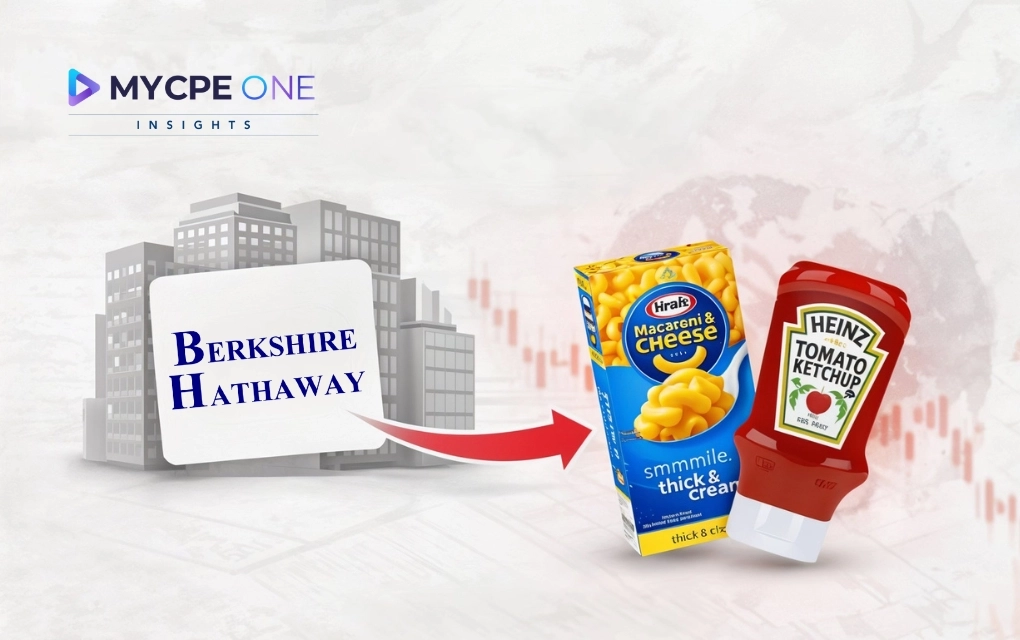
In 2015, Warren Buffett and 3G Capital merged Kraft Foods and H.J. Heinz into a $63 billion packaged-food giant, but consumer habits shifted and the company's shares fell approximately 60 to 70%. Now, under new CEO Greg Abel's leadership, Berkshire Hathaway has registered its entire 27.5% stake in Kraft Heinz for potential resale, a move indicating a shift from Buffett's patient investment approach to a more proactive strategy.
When even Buffett says “my bad.”
There is a particular silence that settles in when a long-held investment finally gets put on the table. No drama, no speeches, just paperwork. That is where Berkshire Hathaway and Kraft Heinz are right now. A regulatory filing, a stock dip, and a quiet acknowledgment that one of Warren Buffett’s rare misreads has reached its natural end. For CPAs and finance leaders, this is not just a food industry story. It is a clean case study in capital discipline, tax math, and how a post-founder era changes decision-making.
The story starts in 2015, when Buffett and 3G Capital stitched together Kraft Foods and H.J. Heinz into a $63 billion packaged-food giant. The thesis looked solid at the time: iconic brands, pricing power, scale efficiency, and steady cash. The kind of thing you could hold forever. Reality did not cooperate. Consumer habits shifted toward fresher foods. Private labels got sharper. Cost-cutting went too far. Innovation lagged. By 2019, Kraft Heinz booked a $3 billion impairment. In 2025, another $3.76 billion followed. By then, Buffett had already admitted he overpaid and misjudged the staying power of brand economics. Since the merger, Kraft Heinz shares have fallen roughly 60 to 70%. Dividends softened the blow, but the math never turned friendly. For a firm famous for patience, this one kept flashing yellow lights.
Source: CNBC
The timing matters.
Greg Abel stepped into the CEO role at Berkshire on January 1, 2026. Within weeks, Berkshire registered its entire 27.5% stake in Kraft Heinz for potential resale. No sale yet, but the door is wide open. This is less about panic and more about philosophy. Buffett’s style leaned toward sticking it out, even when returns disappointed. Abel’s early moves suggest a willingness to clean house early, free up capital, and move on from positions that no longer earn their keep. There are other signals too. Berkshire gave up its Kraft Heinz board seats last year. Kraft Heinz itself plans to split into two companies later this year, undoing much of the original merger. Buffett publicly opposed that breakup, calling it unlikely to fix the core issues. Put it together, and the picture gets clearer. Strategic influence faded. The operating story weakened. The investment thesis broke. Abel is choosing clarity over nostalgia.
This is where accountants should lean in. Berkshire is a C corporation, so there is no preferential capital gains rate. Any long-term gain triggers the standard 21% federal corporate tax rate. State taxes could push the effective rate into the mid-20s, depending on allocation.
The key variable is tax basis:
One nuance worth watching is structure. If Berkshire waits until after the Kraft Heinz split, parts of the transaction could qualify as tax-free under IRC Section 355. That would require careful execution and regulatory alignment, but it is not theoretical. Straight cash sales, by contrast, trigger gain recognition immediately.
For finance teams, this is the most telling part.
There are three quiet lessons here.
Buffett once said the hardest thing in investing is knowing when to quit. Greg Abel seems comfortable answering that question early. For professionals watching from the sidelines, this is not a food story. It is a reminder that even the best capital allocators eventually pull out the calculator and say, “This one’s done.”
Until next time…
Don’t forget to share this story on LinkedIn, X and Facebook
Subscribe now for $199 and get unlimited access to MYCPE ONE, from CPE credits to insights Magazine
📢MYCPE ONE Insights has a newsletter on LinkedIn as well! If you want the sharpest analysis of all accounting and finance news without the jargon, Insights is the place to be! Click Here to Join
You’ve reached the 3 free-content piece limit. Unlock unlimited access to all News & CPE resources.
Subscribe Today.
Already have an account?
Sign In