Join 250,000+
professionals today
Add Insights to your inbox - get the latest
professional news for free.
Join our 250K+ subscribers
Subscribe03 NOV 2025 / PCAOB UPDATES
The Securities and Exchange Commission (SEC) and Public Company Accounting Oversight Board (PCAOB), are slowing down audit enforcement, with only one action by the SEC in the first three quarters of 2025. This reduction in regulatory measures is due to leadership changes and a new focus, shifting towards overseas companies, and is thought to signal a realignment of priorities, translating into increased pressure on companies to self-police audit quality amid potential audits.
Imagine watching a football game where the refs have pocketed their whistles. The crowd’s still loud, the stakes still high, but the calls? Fewer and farther between. That’s pretty much the vibe in Washington’s audit enforcement scene right now. The Securities and Exchange Commission (SEC) and Public Company Accounting Oversight Board (PCAOB), once known for their sharp enforcement stance, are easing off the gas. Through the Q3 of 2025, the SEC brought just one enforcement action involving an auditor, while the PCAOB’s activity, though still present, was front-loaded before a major leadership shakeup midyear. But here’s the twist: less regulatory heat doesn’t mean fewer risks. It just shifts the pressure. As Alison Forman, Principal at The Brattle Group, put it, “The first three quarters of 2025 were a period of transition for auditor enforcement… the muted pace of enforcement in Q3 likely foreshadows a more sustained realignment of priorities.”
Two big levers reset the tone: leadership and focus.
As George Botic, the PCAOB’s Acting Chair, told regulators at a Washington conference, “Private equity investments and the rapid adoption of artificial intelligence have the potential to transform auditing as we know it… But they also demand continued vigilance.”
Here’s the data that tells the story behind the slowdown:
Source: SEC
Source: SEC
Source: SEC
Forman summed it up best: “Leadership changes at both agencies signaled a shift away from the aggressive enforcement posture that characterized the Gensler/Williams era.
A chill in enforcement doesn’t cool the obligation to audit well. If anything, it exposes weak spots faster. Firms may feel less heat from Washington, but investor scrutiny, inspection rigor, and litigation exposure aren’t taking a vacation. Botic’s cautionary note rings loud here: “The private equity model, focused on short-term ownership and cost savings, may change long-established incentive structures and, over time, undermine the core principles of audit quality.” Translation? Firms chasing margin efficiency must ensure their audit fundamentals don’t erode
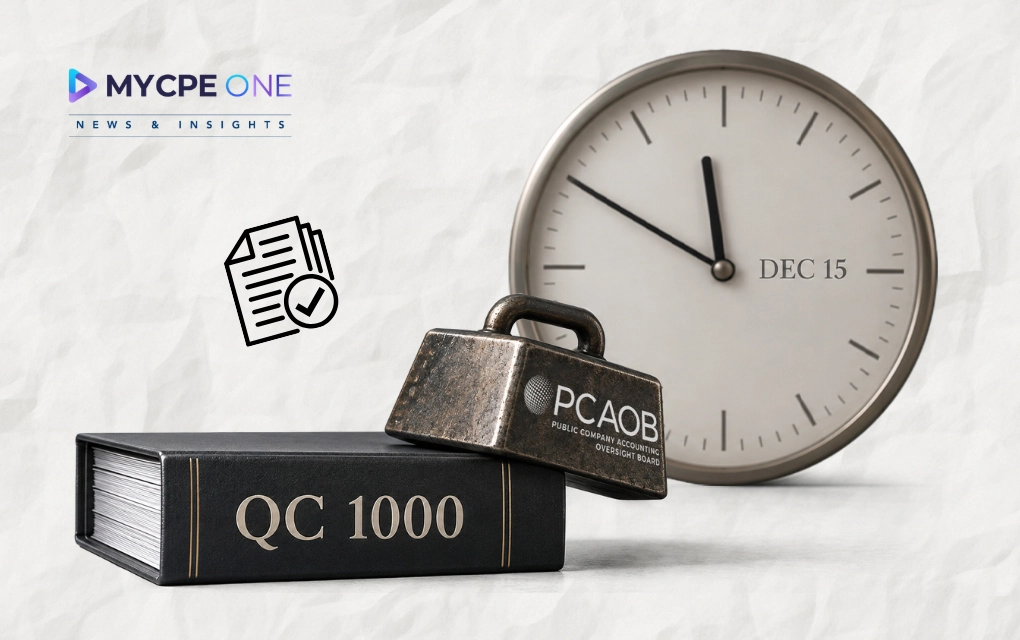
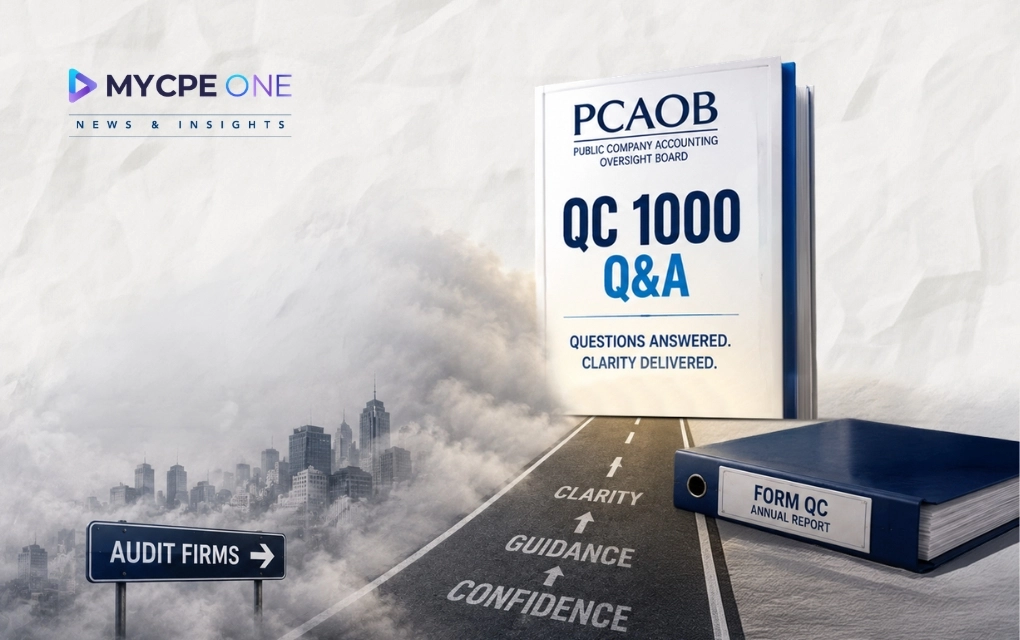
The one-year extension to QC 1000 isn’t a vacation; it’s a prep season. The new standard expects annual evaluations, risk-based design, and for large firms, an independent QC function.
Start building now:
As Botic reminded peers, “Regulatory vigilance requires engagement with all stakeholders… to understand not just the risks but the benefits of new investment models.”
Cut the sugarcoating. Tell audit committees that enforcement may look lighter, but inspections and investor expectations haven’t budged. Share 2–3 tangible quality upgrades you’re making—say, stronger fraud procedures over revenue, refreshed midyear independence checks, or expanded component oversight. Explain your QC 1000 game plan for 2026 testing and reporting. Show that quality isn’t reactionary, it’s deliberate.
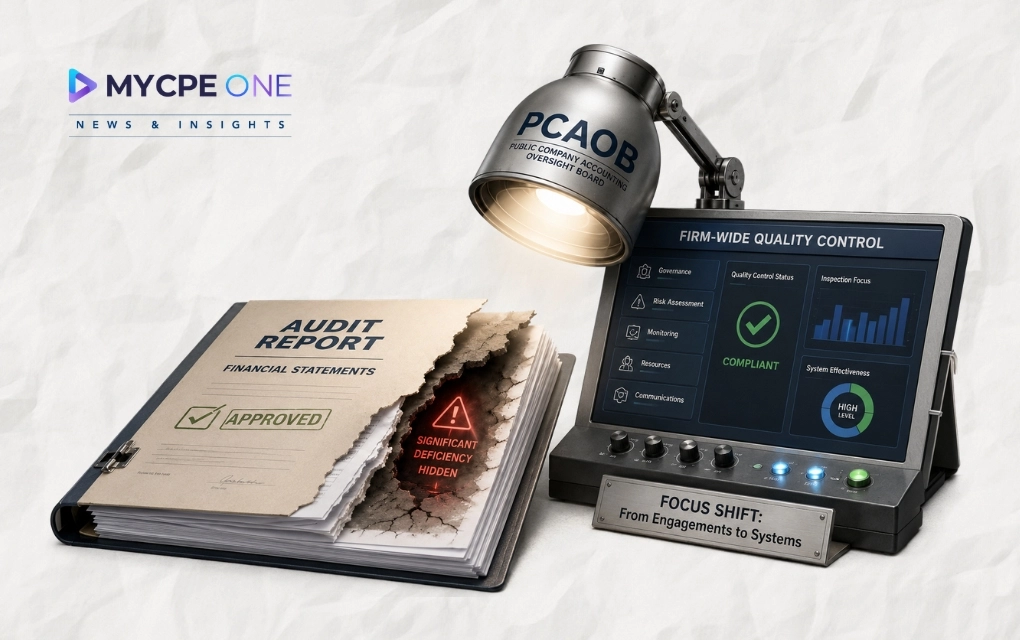
Expect modest SEC counts, PCAOB actions focused on investor harm, and greater emphasis on cross-border enforcement and individual accountability. QC 1000 will headline inspection agendas. Regulators will judge firms not just on compliance, but also on whether their systems self-diagnose and fix quality gaps, with evidence to back it up.
A quieter enforcement regime doesn’t mean the refs left the field. It means the spotlight shifted to your files, your independence, and your professional skepticism. As Botic warned, “Auditors must grapple with how to preserve due professional care, skepticism, and accountability in a rapidly changing digital landscape.” Use the breathing room to sharpen, not soften, your audit quality muscle. QC 1000’s delay is a sprint, not a snooze. Fewer fines don’t mean fewer eyes. In 2025’s calmer Washington, the real test of quality is how well you police yourself before someone else does.
Until next time…
Don’t forget to share this story on LinkedIn, X and Facebook
Subscribe now for $199 and get unlimited access to MYCPE ONE, from CPE credits to insights Magazine
📢MYCPE ONE Insights has a newsletter on LinkedIn as well! If you want the sharpest analysis of all accounting and finance news without the jargon, Insights is the place to be! Click Here to Join
Transforming Finance & Accounting Operations for Enterprises!
We help 100+ clients streamline F&A operations with our full-suite outsourcing services—eliminating the need for in-house teams. Partner with us for Top-tier finance & accounting talent, Cutting-edge technology, and World-class infrastructure.
Our Full-Suite F&A Services Include:
We collaborate with CPA and accounting firms to drive real business value.
Schedule a no-obligation discovery callYou’ve reached the 3 free-content piece limit. Unlock unlimited access to all News & CPE resources.
Subscribe Today.
Already have an account?
Sign In