MYCPE ONE
MYCPE ONE LOGO

Join 250,000+
professionals today

Add Insights to your inbox - get the latest
professional news for free.

MYCPE ONE insights

Doctor’s $4M Tax Evasion Scheme Ends in Conviction

Join our 250K+ subscribers

Join our 250K+ subscribers

Subscribe

19 MAR 2026 / ACCOUNTING & TAXES

Doctor’s $4M Tax Evasion Scheme Ends in Conviction

Doctor’s $4M Tax Evasion Scheme Ends in Conviction

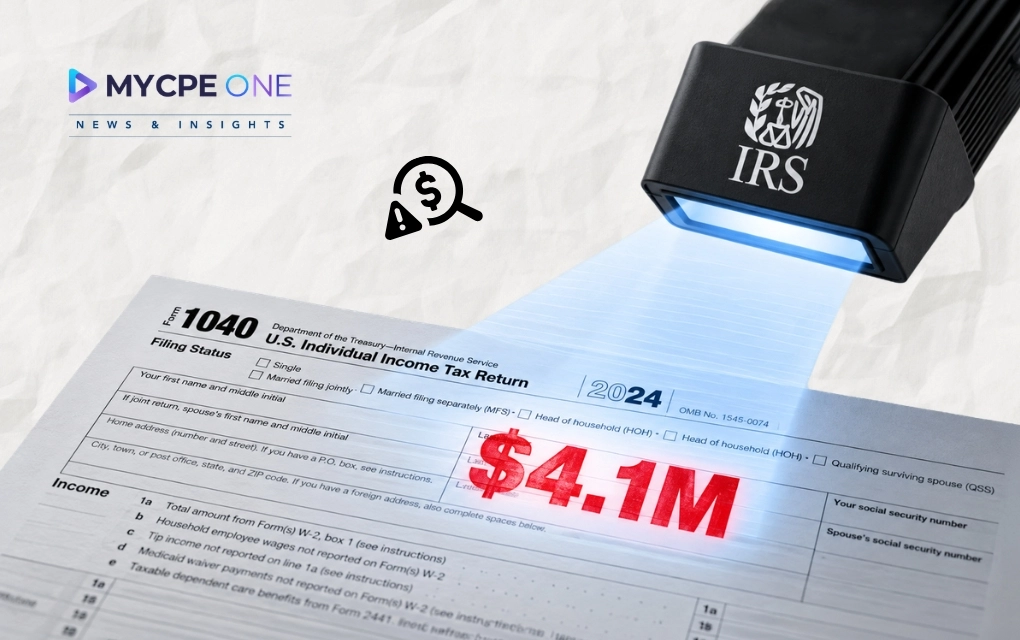
Most fraud cases start with numbers that don’t add up. This one started with something far more dangerous, patients who trusted their doctor. For over a decade, an Anchorage rheumatology clinic operated like any other specialized practice. Patients came in for relief, insurers paid for high-cost injectable treatments, and everything looked routine on paper. But behind that routine was a system quietly turning medical billing into a revenue engine. That system has now collapsed. Dr. Claribel Tan has been sentenced to 6.5 years in federal prison, and her husband, Daniel Tan, received probation, after a $12.5 million health care fraud scheme that also included over $4 million in tax evasion. This wasn’t just billing fraud. It was a long-running operation where medical deception and tax manipulation worked together.

How the Healthcare Fraud Engine Worked

At the core of the scheme was the “buy and bill” model, a standard practice where doctors purchase medications, administer them, and bill insurers accordingly. The system depends entirely on accuracy and trust. That trust was systematically exploited. Instead of purchasing the drugs they billed for, the clinic used free samples, expired medications, or substituted treatments. Patients were often underdosed while insurers were billed for full, high-cost injections. In one example, the clinic billed for 4,829 units of medication while purchasing only 369 units, creating a massive gap between cost and reimbursement. Over time, that gap turned into millions. Some injections generated more than $12,000 per dose, making even small discrepancies highly profitable when repeated across thousands of claims.

The Tax Evasion Playbook Behind the Profits

The fraud didn’t stop at billing. Once the money started flowing, the focus shifted to keeping it hidden.

  • Inflated business expenses were used to reduce taxable income
  • False financial data was provided to tax preparers to support deductions
  • Tax filings were skipped entirely in later years despite ongoing income
  • Profits were intentionally concealed while fraudulent billing continued

Between 2013 and 2017 alone, nearly $2.9 million in taxes were evaded, with total losses to the IRS exceeding $4 million. This wasn’t poor accounting. It was a structured approach where fraudulent income was layered with manipulated reporting to avoid detection.

How the Scheme Was Uncovered

The case didn’t unravel overnight. It started with inconsistencies that became too large to ignore. Insurance companies were the first to notice irregularities. The volume of drugs billed did not match the quantity being ordered. That mismatch triggered deeper scrutiny and raised questions about the legitimacy of claims. At the same time, patients began to suspect something was wrong. Some recorded their visits and noticed differences between what they received and what was billed. Reports of fewer injections, unfamiliar substances, and unusual handling of medications added to the evidence. The turning point came in 2019, when federal agents executed a search warrant at the clinic. What they found confirmed the pattern, stockpiles of expired drugs, free samples marked not for sale, and improperly stored medications. From there, billing data, purchase records, and tax filings aligned to reveal the full scope of the scheme.

The Human Cost Behind the Fraud

Beyond the financial damage, the case exposed a deeper issue, patient harm. Individuals seeking treatment for chronic conditions were misled about the care they received. Some were underdosed, others were given incorrect or expired medications. In several cases, patients reported worsening health outcomes and delayed diagnoses. This wasn’t just an accounting issue or a compliance failure. It was a breakdown of trust in a system where accuracy directly impacts patient well-being. Prosecutors emphasized that cases like this are not just about dollars lost. They are about the long-term consequences faced by people who relied on professional judgment and received something entirely different.

What This Means for the IRS and Regulators

This case highlights how fraud rarely exists in isolation. Healthcare fraud and tax evasion often move together, reinforcing each other over time. For regulators, it underscores the need for tighter integration between billing data and tax reporting. When revenue patterns do not align with procurement or expense data, it should trigger immediate review. It also shows the importance of cross-checking industry-specific models. In sectors like healthcare, where billing structures are complex, understanding how systems are supposed to work is critical to identifying how they are being manipulated.

Lessons for Accountants and Compliance Professionals

For professionals, this case offers clear and practical lessons.

  • Unusual expense patterns are red flags, not anomalies to overlook
  • Client-provided data must be verified, especially when tied to high revenue streams
  • Industry knowledge matters, understanding billing models can expose inconsistencies early
  • Fraud compounds over time, small manipulations often grow into systemic abuse

The biggest risk is not complexity, it is familiarity. When something looks routine, it is less likely to be questioned.

Final Takeaway

The Anchorage case is more than a healthcare fraud story. It is a clear example of how operational fraud and tax evasion can evolve into a long-term, coordinated strategy. What began as billing manipulation turned into a 15-year scheme affecting patients, insurers, and the IRS. For professionals, the takeaway is straightforward. Fraud does not just appear in numbers. It develops in patterns that go unchecked. And once those patterns are established, they become much harder to break.

Until next time…

Don’t forget to share this story on LinkedIn, X and Facebook

Subscribe now for $199 and get unlimited access to MYCPE ONE, from CPE credits to insights Magazine

📢MYCPE ONE Insights has a newsletter on LinkedIn as well! If you want the sharpest analysis of all accounting and finance news without the jargon, Insights is the place to be! Click Here to Join

Unlock Annual Access to News & CPE Subscription

You’ve reached the 3 free-content piece limit. Unlock unlimited access to all News & CPE resources.
Subscribe Today.

News & Updates

  • Exclusive News & Insights
  • Latest Regulatory Updates
  • Accounting Industry Trends
  • Expert Insights
  • AI-Driven Audio & Summaries
  • Infographics & Videos
  • CPE-Approved Articles
  • Digital Magazine
  • Benchmarking Blogs

Unlimited CPE Access for 1 Year

  • 15,000+ Hours of Content
  • 500+ Subject Areas
  • Mandatory Ethics Courses
  • 250+ Compliance Packages
  • 50+ Virtual Conferences and Events Access
  • Format: Live, Audio, Video, E-Books
  • Audio Based Courses & Podcasts
  • Add External Certificates with AI
  • AI Compliance Tracking and Report
  • Instant Certification and Fast Reporting
  • Mobile App Access (iOS and Android)
  • Dedicated Support System
  • Practical Training Programs
  • AI Academy Access
  • Tax Academy Access
  • Audit Academy Access
  • Leadership Academy Access