Join 250,000+
professionals today
Add Insights to your inbox - get the latest
professional news for free.
Join our 250K+ subscribers
Subscribe26 JAN 2026 / ACCOUNTING & TAXES
Phillip Mak, a businessman from Jacksonville, pleaded guilty to attempted tax evasion after not paying federal income tax on more than $10 million he earned between 2008 and 2020, and then attempting to move money and assets out of government reach. The case highlights the consequences of tax non-compliance, criminal activity, and underlines the importance of understanding the implications of financial decisions made during active IRS collection.
Earning more than $10 million and paying zero federal income tax for over a decade is not a paperwork oops. It is a ticking clock. That clock finally ran out for Phillip Mak, a Jacksonville-area businessman who pleaded guilty to attempted tax evasion after admitting he earned substantial income between 2008 and 2020, ignored repeated IRS collection efforts, and later took deliberate steps to move money and property out of the government’s reach. For tax, accounting, audit, and finance professionals, this case is not just about unpaid taxes. It is a clean, uncomfortable example of how prolonged noncompliance evolves into criminal exposure, and how actions that look routine in isolation can be stitched together into an evasion narrative once intent enters the picture.
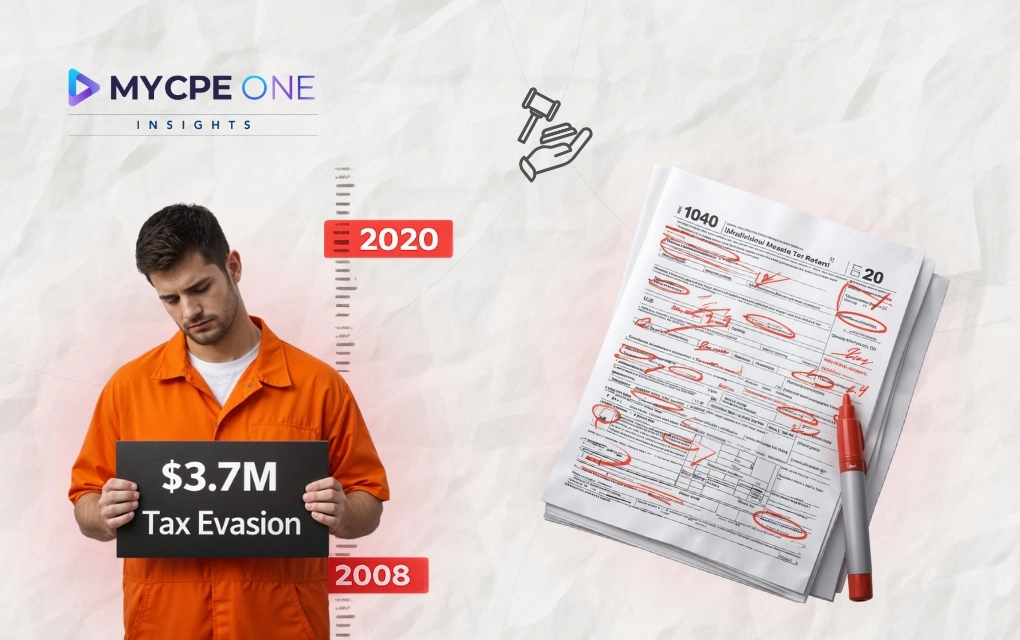
According to court records and Justice Department statements, Mak earned more than $10.3 million over thirteen years as a sales representative working under contract with multiple businesses. On that income, the IRS calculated he owed roughly $3.7 million in federal income taxes. He paid none of it. This was not a missed filing or a temporary cash crunch. Mak failed to pay federal income taxes for more than a decade and filed returns for only a handful of those years. During that time, the IRS followed its standard civil playbook. Notices were sent. Payment demands escalated. Eventually, a Notice of Federal Tax Lien was filed against his property. That moment matters.
Once notices and liens are in place, knowledge is established. From a legal standpoint, the taxpayer can no longer credibly claim confusion or ignorance. From there forward, every financial decision is evaluated in a different light. Despite those warnings, Mak remained silent. By the end of 2021, IRS records showed no federal income tax paid for the entire period. What many taxpayers still view as a civil collection issue hardens when inaction turns into avoidance.
The government did not turn this case criminal based solely on the dollar amount. What tipped the scale was what happened next. Between 2019 and 2021, Mak took a series of steps that prosecutors argued were designed to place assets beyond the IRS’s reach. He transferred roughly $1 million to his domestic partner. He moved ownership of his personal residence into a trust created and controlled by that same partner. He also formed a corporate entity and began routing his personal income through its bank account. On paper, none of this is illegal. People create entities. People form trusts. People transfer money to partners. These are everyday tools professionals help clients use.
The problem was timing and intent. Mak admitted that at least one of these actions was taken with the intent to evade payment of his taxes and that he knew what he was doing was unlawful. That admission is the heart of the case. Tax evasion is not about aggressive planning. It is about willfulness, knowledge of the obligation, and deliberate steps to avoid paying. His defense attorney argued that earlier failures to file were tied to mental health issues, not criminal intent. That argument may still matter at sentencing. But once asset transfers and income routing occurred after IRS enforcement had begun, prosecutors had a narrative they could prove. Mak now faces up to five years in federal prison and has agreed to pay approximately $3.8 million in restitution. IRS Criminal Investigation led the case, with the Justice Department’s Tax Division and the U.S. Attorney’s Office prosecuting.
This case stands out precisely because it is not exotic. There were no offshore accounts, no shell companies in distant jurisdictions, and no suitcase cash businesses. This was domestic income, domestic accounts, and planning techniques that professionals see clients ask about all the time. The government relied on timing, control, and admissions. Once the collection activity was underway, otherwise ordinary transactions were reframed as efforts to frustrate enforcement. That is a reality professionals cannot ignore. It also raises uncomfortable questions about advisor exposure. Advice given during active IRS collection is often scrutinized closely, especially if it appears to facilitate asset shielding rather than resolution.
Phillip Mak’s guilty plea was not about a clever scheme. It was about a simple sequence: significant income, years of nonpayment, clear IRS enforcement, and then actions taken to keep money and property out of reach. Once intent entered the picture, the case stopped being civil. For professionals, the takeaway is straightforward. Planning without compliance is fragile. When the IRS is already in the room, every move tells a story. Make sure it is not the wrong one. If you want more real-world breakdowns like this, follow along or subscribe. These cases are not rare, and the lessons keep repeating.
Until next time…
Don’t forget to share this story on LinkedIn, X and Facebook
Subscribe now for $199 and get unlimited access to MYCPE ONE, from CPE credits to insights Magazine
📢MYCPE ONE Insights has a newsletter on LinkedIn as well! If you want the sharpest analysis of all accounting and finance news without the jargon, Insights is the place to be! Click Here to Join
You’ve reached the 3 free-content piece limit. Unlock unlimited access to all News & CPE resources.
Subscribe Today.
Already have an account?
Sign In