
Join 250,000+
professionals today
Add Insights to your inbox - get the latest
professional news for free.
Join our 250K+ subscribers
Subscribe02 FEB 2026 / ACCOUNTING & TAXES
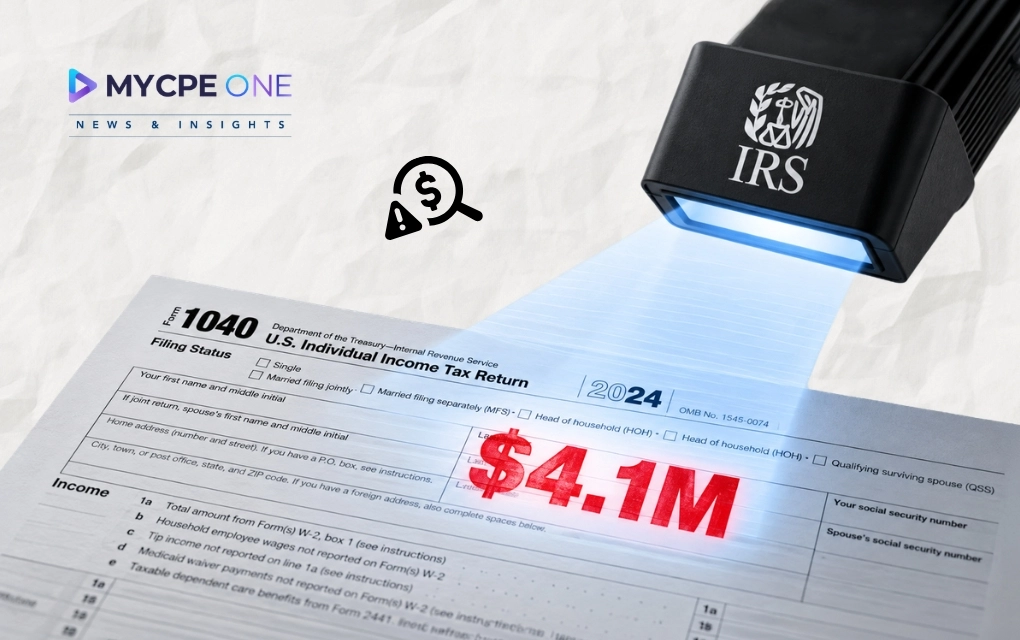
33-year-old Milwaukee tax preparer, Jasmeika Simon, has pleaded guilty to aiding in the preparation of false federal tax returns, in a multimillion-dollar fraud case. Simon filed approximately 361 tax returns of which around 331 showed signs of fraud, including falsely inflated business incomes and losses, fabricated wages, false dividend reporting, and aggressive use of refundable credits, all aimed at inflating refunds and earning greater commission fees, leading to a total intended IRS loss of approximately $3.34 million.
If there’s one thing the IRS never laughs off, it’s a “creative” tax return. In Milwaukee, that line between clever and criminal just got a bright red underline. What started as small tweaks on individual tax returns turned into a multimillion-dollar fraud case, and a stark reminder for tax professionals nationwide. On January 28, 2026, Jasmeika Simon, a 33-year-old Milwaukee tax preparer, pleaded guilty to aiding in the preparation of false federal tax returns. The case shows how repetitive manipulation, not flashy schemes, is often what lands preparers in serious trouble. Let’s walk through the past, the present, and what the future looks like for Simon and for anyone who touches a 1040 for a living.
Between 2021 and 2023, Simon operated as a paid tax preparer, electronically filing federal returns for clients. On the surface, it looked like business as usual. Under the hood, it was anything but clean. Court records show Simon filed approximately 361 federal tax returns, and about 331 of them showed indicators of fraud. That’s not a few bad calls. That’s a system.
The playbook was familiar and dangerously effective:
Those credits included:
The objective was simple: pump up refunds. Bigger refunds kept clients happy and, more importantly, padded Simon’s commission-based income. Multiply that strategy across hundreds of nearly identical returns, and the numbers snowballed fast:
This was not flashy fraud. It was rinse-and-repeat fraud, hiding in plain sight, which is exactly what IRS Criminal Investigation is built to catch. Notably, this case mirrors another recent Milwaukee prosecution involving tax preparer Cameron Summers, who admitted to “boosting” refunds using false expenses and credits, costing the IRS more than $1.1 million. Different names, same playbook. That pattern matters.
On January 28, 2026, Simon pleaded guilty to one count of violating IRC Section 7206(2), the statute aimed squarely at tax preparers who assist in filing false returns. The consequences are very real:
She will be sentenced on June 8, 2026, by U.S. District Judge Brett H. Ludwig. The investigation was led by IRS Criminal Investigation, which does not stumble into cases like this by accident. While audits catch mistakes, data analytics catch patterns. Hundreds of returns showing the same aggressive credit behaviour is not noise; it’s a siren. Assistant U.S. Attorney Peter J. Smyczek, who is prosecuting the case, underscored the seriousness by pursuing preparer liability rather than just client corrections. That distinction matters.
This case is not a one-off. It fits squarely into a broader enforcement trend targeting tax preparers who push the envelope too far, too often. The IRS message is blunt and getting louder:
Expect to see more of the following:
For clients, this also raises the stakes. A “too good to be true” refund today can turn into years of amended returns, penalties, and stress tomorrow.
This case is a masterclass in what not to do, and the lessons are clear for tax professionals.
At the end of the day, this Milwaukee case is not just about one guilty plea. It’s a warning shot for the entire tax preparation industry. In tax work, boring and accurate always beats clever and aggressive. Because the IRS may tolerate late filings. It may tolerate honest mistakes. But it never tolerates a system built to game the system. If you want more breakdowns like this on enforcement trends, preparer risk, and what regulators are really watching, stay plugged in. The landscape is shifting, and the margin for error is getting slimmer.
Until next time…
Don’t forget to share this story on LinkedIn, X and Facebook
Subscribe now for $199 and get unlimited access to MYCPE ONE, from CPE credits to insights Magazine
📢MYCPE ONE Insights has a newsletter on LinkedIn as well! If you want the sharpest analysis of all accounting and finance news without the jargon, Insights is the place to be! Click Here to Join
You’ve reached the 3 free-content piece limit. Unlock unlimited access to all News & CPE resources.
Subscribe Today.
Already have an account?
Sign In