MYCPE ONE
MYCPE ONE LOGO

Join 250,000+
professionals today

Add Insights to your inbox - get the latest
professional news for free.

MYCPE ONE insights

West Virginia and Nebraska Just Made the CPA Path Easier

Join our 250K+ subscribers

Join our 250K+ subscribers

Subscribe

06 MAR 2026 / CPA STATE BOARD UPDATES

West Virginia and Nebraska Just Made the CPA Path Easier

West Virginia and Nebraska Just Made the CPA Path Easier

The CPA profession has long prided itself on discipline, rigor, and high barriers to entry. But when the pipeline starts running dry, even the most traditional professions begin rethinking the rulebook. That is exactly what is happening across the United States right now, as states scramble to address a growing shortage of accountants. West Virginia and Nebraska have just joined a fast-growing list of states rewriting how professionals enter the CPA ranks. The move signals a broader shift in how regulators and firms are thinking about talent, cost of education, and the future of the accounting workforce.

The CPA Rulebook Just Got a Shake-Up

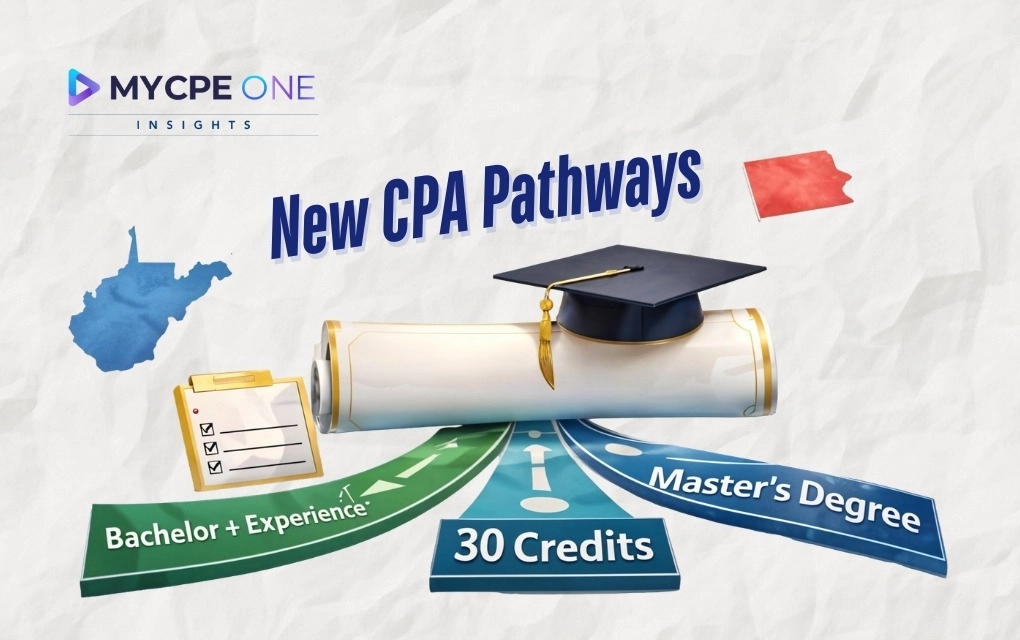
West Virginia officially changed the game this week. Gov. Patrick Morrisey signed House Bill 4088 into law, creating alternative pathways to CPA licensure that no longer strictly require the traditional 150 college credit hours, typically equivalent to five years of higher education. Starting May 24, CPA candidates in the state will have three possible routes to licensure:

  • A bachelor’s degree plus 30 additional semester credit hours with an accounting concentration, one year of accounting experience, and passing the CPA exam.
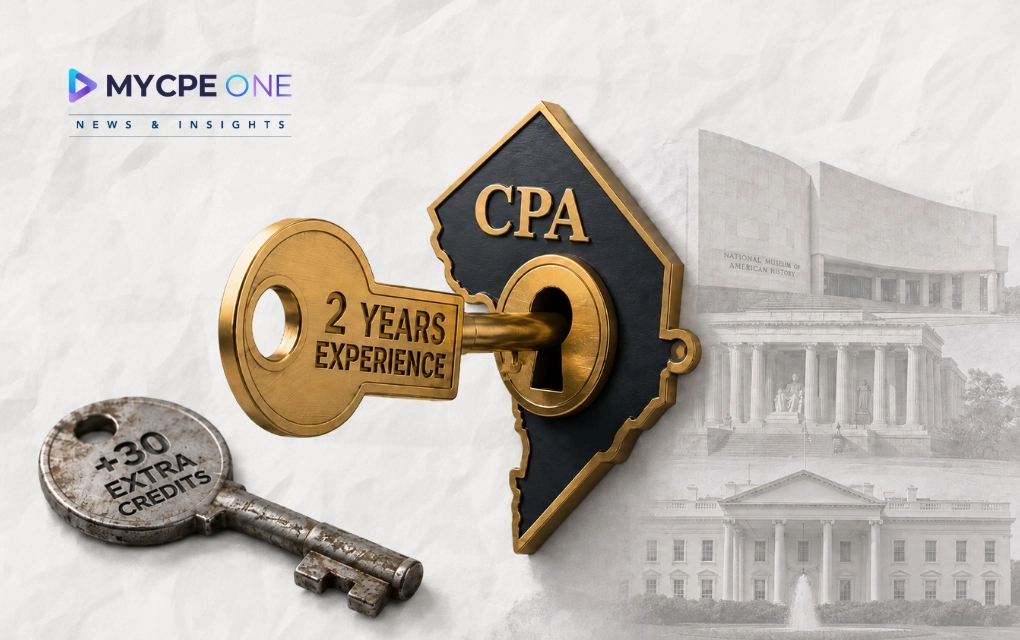
  • A bachelor’s degree with an accounting concentration, two years of experience, and passing the CPA exam.
  • A graduate or master’s degree in accounting, one year of experience, and passing the CPA exam.

Nebraska followed a similar path earlier this year. Gov. Jim Pillen signed licensing reform legislation (LB718) that also allows candidates to qualify with a bachelor’s degree and two years of experience, or a bachelor’s degree plus 30 credit hours and one year of experience, alongside passing the CPA exam. The big headline: the 150-hour rule is no longer the only way in.

Why States Are Rethinking the 150-Hour Rule

For decades, the 150-credit-hour requirement functioned as a professional gatekeeper. The rule was designed to strengthen educational standards and ensure accountants could handle increasingly complex financial systems. But over time, critics began arguing that the requirement was creating an unintended side effect: fewer people entering the profession. The additional year of education can be expensive, often requiring students to fund a graduate degree or additional coursework just to qualify for licensure. For many potential candidates, especially those from smaller towns or lower-income backgrounds, that extra hurdle has become a dealbreaker. The result has been a noticeable decline in accounting graduates entering the pipeline, a trend that has worried firms and regulators alike. Smaller and regional accounting firms have felt the squeeze most acutely, struggling to recruit licensed professionals. That pressure is now pushing lawmakers to rethink long-standing rules.

As Megan Kueck, CEO of the West Virginia Society of CPAs, explained: 

“We realize there’s an accounting shortage and we are proactively taking care of ourselves and making sure the next generation of CPAs are ready for the future.”

What This Means for Accountants on the Ground

For professionals practicing in West Virginia and Nebraska, these changes could reshape the local talent market fairly quickly.

  • First, the path to becoming a CPA becomes more financially manageable. Students can now enter the profession with a bachelor’s degree and work experience rather than funding an additional year of coursework simply to reach the 150-credit threshold.
  • Second, firms may gain access to a larger pool of early-career talent. Smaller firms in particular, many of which struggle to compete with large national firms for recruits, may finally see some breathing room in hiring.
  • And third, the reforms may accelerate workforce entry. Instead of spending an extra year in school, candidates can gain experience sooner while still meeting exam and competency requirements.

Importantly, the CPA exam remains a central gatekeeper. Every pathway still requires passing the exam and completing professional work experience, preserving the credential’s core standards. So, while the road in may look different, the destination remains the same.

Not Everyone Is Ready to Call It a Slam Dunk

Despite growing momentum for reform, the debate inside the profession is far from settled. Some educators and veteran accountants worry that lowering education requirements could weaken the profession over time. Their concern is not about accessibility but about the depth of knowledge. D. Scott Showalter, director of the Jenkins Master of Accounting Program at North Carolina State University, has been a vocal supporter of maintaining the traditional pathway. Drawing on more than 30 years in public accounting, he argues that future accountants will need deeper education, not less, especially as emerging technologies reshape the profession.

As Showalter put it: “My experience tells me prospective accountants should prioritize developing skills that will serve them in the long term, not finding the fastest path to a credential.

He also noted that professions typically move toward higher educational requirements over time, not lower ones. And with artificial intelligence and complex financial technologies becoming standard tools, advanced training may become even more critical. In other words, some experts worry the profession may be solving today’s shortage while creating tomorrow’s skill gap.

So, What Happens Next?

The momentum behind CPA licensure reform shows little sign of slowing down. As more states adopt alternative pathways, pressure will likely grow on the remaining holdouts to reconsider their own requirements. For accounting professionals, the implications go beyond licensing rules. These changes could reshape hiring practices, workforce development, and even how firms structure training programs for new hires. Over time, the profession may settle into a hybrid model, one that balances education, practical experience, and exam rigor rather than relying heavily on a single academic benchmark. For now, though, one thing is clear. The CPA pipeline is getting a redesign. And whether this turns into a long-term talent boost or sparks a new debate about professional standards, the accounting profession is officially in the middle of a pretty big experiment.

Until next time…

Don’t forget to share this story on LinkedIn, X and Facebook

Subscribe now for $199 and get unlimited access to MYCPE ONE, from CPE credits to insights Magazine

📢MYCPE ONE Insights has a newsletter on LinkedIn as well! If you want the sharpest analysis of all accounting and finance news without the jargon, Insights is the place to be! Click Here to Join

Unlock Annual Access to News & CPE Subscription

You’ve reached the 3 free-content piece limit. Unlock unlimited access to all News & CPE resources.
Subscribe Today.

News & Updates

  • Exclusive News & Insights
  • Latest Regulatory Updates
  • Accounting Industry Trends
  • Expert Insights
  • AI-Driven Audio & Summaries
  • Infographics & Videos
  • CPE-Approved Articles
  • Digital Magazine
  • Benchmarking Blogs

Unlimited CPE Access for 1 Year

  • 15,000+ Hours of Content
  • 500+ Subject Areas
  • Mandatory Ethics Courses
  • 250+ Compliance Packages
  • 50+ Virtual Conferences and Events Access
  • Format: Live, Audio, Video, E-Books
  • Audio Based Courses & Podcasts
  • Add External Certificates with AI
  • AI Compliance Tracking and Report
  • Instant Certification and Fast Reporting
  • Mobile App Access (iOS and Android)
  • Dedicated Support System
  • Practical Training Programs
  • AI Academy Access
  • Tax Academy Access
  • Audit Academy Access
  • Leadership Academy Access