
Join 250,000+
professionals today
Add Insights to your inbox - get the latest
professional news for free.
Join our 250K+ subscribers
Subscribe04 DEC 2025 / SEC UPDATES
The US Securities and Exchange Commission (SEC) has once again postponed the compliance deadlines for its short-sale disclosure rules; they will now be implemented by January 2 and September 28, 2028 respectively. The decision has drawn criticism from industry watchers and SEC Commissioner Caroline Crenshaw, who argue that the delays undermine market transparency and could stall necessary financial reforms.
If you’ve ever tried to hit a dartboard that someone kept sliding to the left, you already get the vibe around the SEC’s short-sale disclosure rules. Every time hedge funds brace for impact, the deadline drifts again, almost like the agency is whispering “not today” and walking away with the paperwork. And now we have another extension, which has some market watchers nodding and others muttering “you’ve got to be kidding me.”
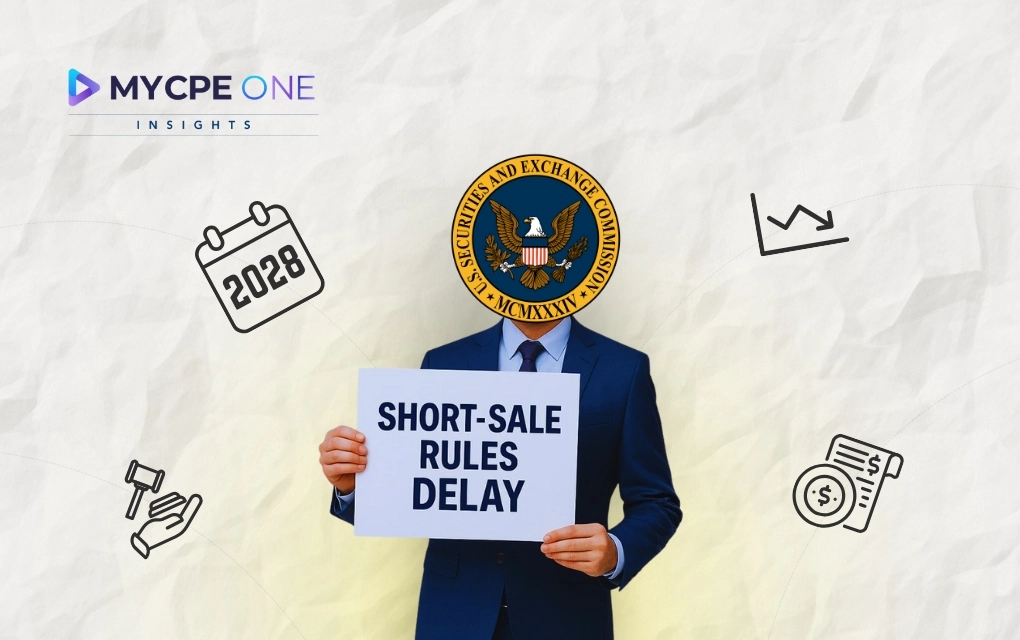
Here’s the fresh twist. The SEC pushed compliance for the short-sale disclosure rules to January 2, 2028 and bumped the related stock-lending reporting requirement to September 28, 2028. If that feels déjà vu, it is. This is the second delay this year and the rules were only finalized in October 2023. The Commission insists the extensions serve the public interest, but you can almost hear traders asking whether the finish line actually exists or if it’s just strolling off into the distance. Short selling has always been part of the U.S. markets, but after the 2008 meltdown and the GameStop circus in 2021, regulators wanted sharper visibility. The new rules would force certain managers to report short-sale activity monthly and require pension funds, banks, and institutional lenders to file stock-loan data the next day. Sounds simple on paper. In practice, it apparently triggered enough pushback to fill a football stadium.
The Managed Funds Association and the Alternative Investment Management Association marched straight to court, arguing the SEC overstepped and didn’t fully weigh the economic impact. In August, the Fifth Circuit panel agreed enough to send the rules back, essentially saying “try again and bring receipts next time.” So the SEC hit pause. But does a pause signal a retreat or just a breather? Depends on who you ask. Some investors love the slow-walk. Others, especially transparency advocates, feel like the can is being kicked down the road so far it might cross state lines.
And here’s where the drama spikes. Commissioner Caroline Crenshaw, the Commission’s lone Democrat, is not amused. She called the move “repeal by extension,” a phrase you don’t drop lightly. Her concern is that temporary delays can quietly morph into permanent non-action. Her warning: if you bend the rules long enough, they stop bouncing back. Or as accountants like to say, “If it looks like a write-off and acts like a write-off, maybe someone already wrote it off.”
Not to get philosophical, but why do deadlines matter here? Because short-sale reporting affects price discovery, market confidence, and that little thing called systemic risk. When data goes dark, surprises get louder. And we’ve seen where those surprises can lead. Yet implementing new reporting systems, especially ones spanning hedge funds, pension funds, and stock-lending desks, is costly. Firms argue the SEC underestimated the lift. So the question becomes: is the delay a necessary breather or a stall that undercuts reform? If you ask Crenshaw, the answer is pretty clear. If you ask the industry, they might shrug and say “it ain’t our first rodeo” when it comes to complex rules taking years to settle.
The Fifth Circuit didn’t toss the rules. It simply told the SEC to justify them better. That means the disclosure framework is still alive, just pacing backstage. The Commission will need to revisit economic impact analysis, tweak the approach, or defend its original logic more thoroughly. Professionals should watch for three things. First, will the SEC revise the rule or double down with stronger justification? Second, will trade groups push for broader rollbacks? And third, will 2028 actually stick or become another “maybe later” date? Your guess is as good as mine, but if someone sets odds in Vegas, call me.
The odd tension here is that transparency is generally popular with pension trustees, compliance teams, and analysts who don’t love flying blind. Yet the mechanics of delivering that transparency are complicated, expensive, and politically charged. Classic regulatory puzzle.
For now, the short-sale disclosure regime sits in extended timeout. The SEC says it’s protecting investors. Trade groups say they’re defending market efficiency. Crenshaw says someone is trying to break the rule of law. And the rest of us? We’re watching this slow-motion regulatory chess match and wondering who’s playing the long game. Deadlines may shift, but the core question remains. How much visibility should the market have into short positions and stock lending? Until that gets answered, expect more motion, more court filings, and maybe another extension or two. After all, in Washington, time can be flexible, especially when the players have strong opinions and even stronger lawyers.
Until next time…
Don’t forget to share this story on LinkedIn, X and Facebook
Subscribe now for $199 and get unlimited access to MYCPE ONE, from CPE credits to insights Magazine
📢MYCPE ONE Insights has a newsletter on LinkedIn as well! If you want the sharpest analysis of all accounting and finance news without the jargon, Insights is the place to be! Click Here to Join
Earn CPE Credits by Simply Reading Articles – Starting at Just $199/Year!
50 of the Top 200 Accounting Firms trust MYCPE ONE for their team’s learning—why not you? With 15,000+ approved content hours, 500+ emerging subject areas, and automated compliance tracking, staying ahead has never been easier.
We don’t just create boring tax, accounting, and audit content—our platform offers engaging, insightful, and trending material that your team will actually enjoy while earning CPE credits.
Sign up today, go through the comprehensive list of features and unlock unlimited learning!
You’ve reached the 3 free-content piece limit. Unlock unlimited access to all News & CPE resources.
Subscribe Today.
Already have an account?
Sign In