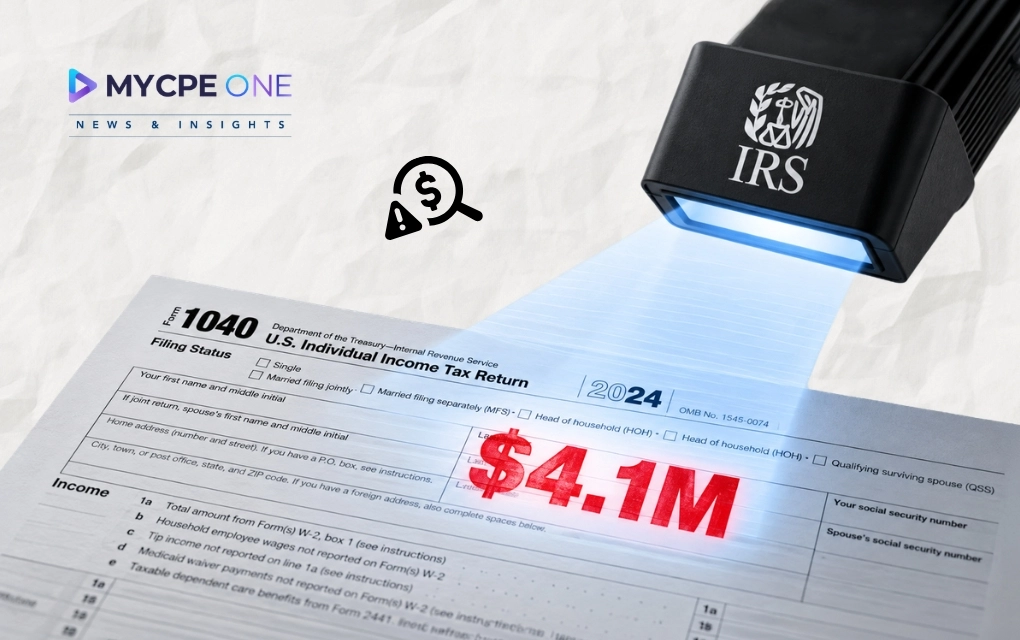
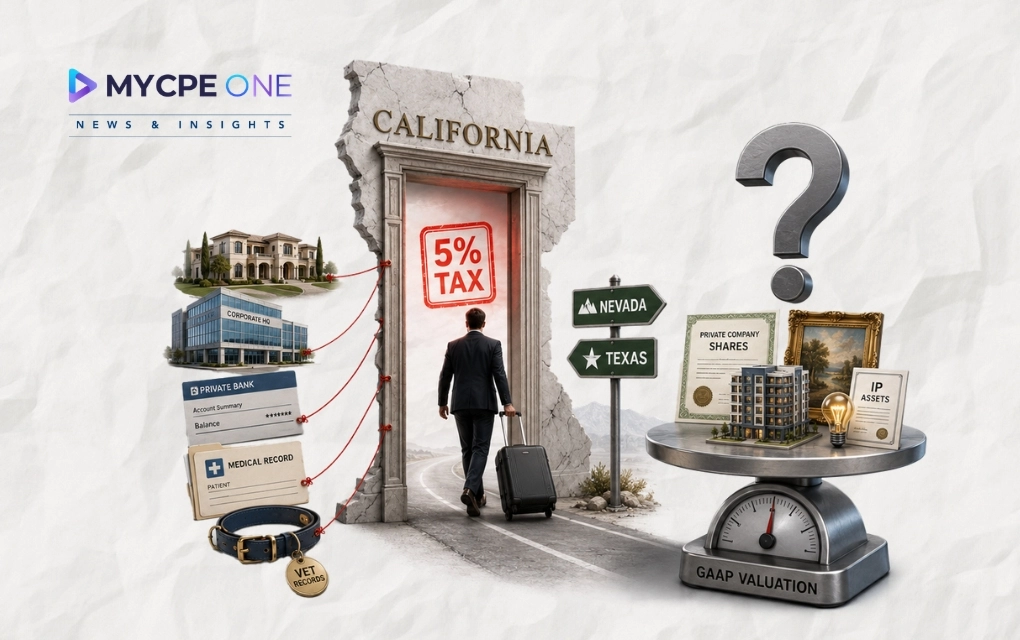
California is proposing a one-time 5% tax on billionaires whose assets exceed $1 billion. This move will be voted on in November and if approved, it aims to provide revenue to healthcare, food assistance, and education programs. However, it also presents concerns regarding residency identification, asset valuation, liquidity, and constitutional limits. On the other hand, Hawaii has chosen the conventional route of raising the top individual income tax rate from 11% to 13% starting in 2027, which poses much lesser administrative challenges.
A tax move can look clean on a spreadsheet and turn messy the moment a taxpayer books a flight. California and Hawaii now offer two different tests of the same fiscal instinct. When public costs rise and lawmakers need revenue, they often look upward. Haw...
Subscribe now for $199 and get unlimited access to MYCPE ONE, from CPE credits to insights Magazine
📢MYCPE ONE Insights has a newsletter on LinkedIn as well! If you want the sharpest analysis of all accounting and finance news without the jargon, Insights is the place to be! Click Here to Join
Unlock Annual Access to News & CPE Subscription
You’ve reached the 3 free-content piece limit. Unlock unlimited access to all News & CPE resources. Subscribe Today.
Experience MYCPE ONE at its best! Upgrade your browser for a more interactive, user-friendly interface, and stay ahead in your professional development journey.







-1792748463.webp)