MYCPE ONE
MYCPE ONE LOGO

Join 250,000+
professionals today

Add Insights to your inbox - get the latest
professional news for free.

MYCPE ONE insights

Former “Kids for Cash” Attorney Sentenced in Federal Tax Evasion

Join our 250K+ subscribers

Join our 250K+ subscribers

Subscribe

09 FEB 2026 / ACCOUNTING & TAXES

Former “Kids for Cash” Attorney Sentenced in Federal Tax Evasion

Former “Kids for Cash” Attorney Sentenced in Federal Tax Evasion

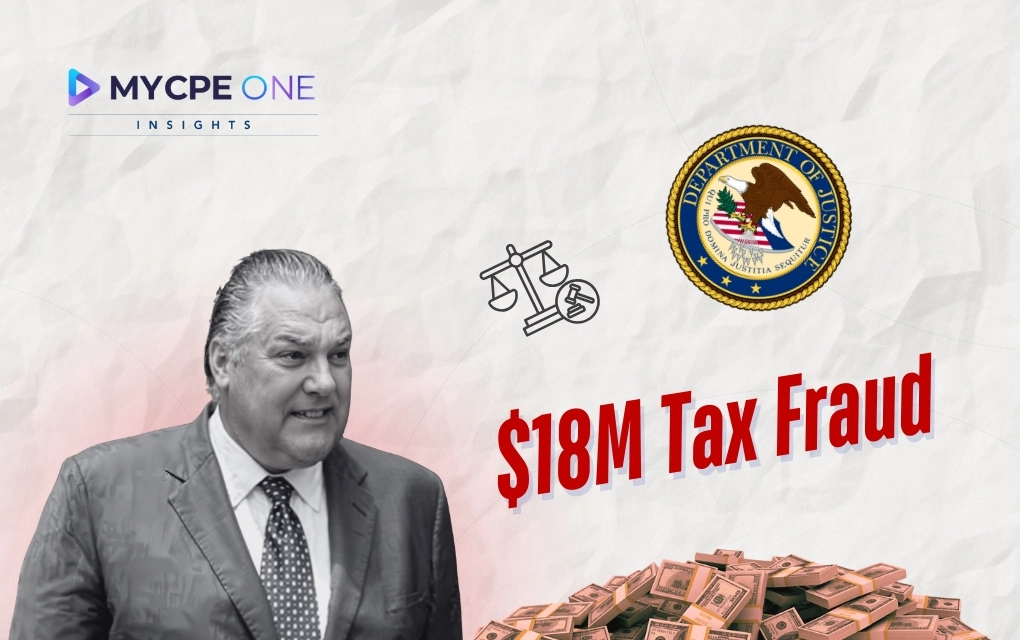
If you’ve ever wondered how someone can earn millions, live like a king, and still convince themselves taxes are optional, meet Robert J. Powell. Powell, a former Luzerne County attorney tied to Pennsylvania’s infamous “kids-for-cash” scandal, is headed back to federal prison. This time, it’s not for corruption. It’s for tax evasion tied to millions in legal fees, nominee accounts, and years of not filing returns. And for accounting, tax, audit, and advisory professionals, this story is not just courtroom drama. It’s a blueprint of how long-term nonfiling turns into criminal prosecution, especially when the taxpayer adds concealment, control tricks, and audit lies into the mix.

From “Kids-for-Cash” to a Massive Payday Pipeline

Powell’s name has been in the federal system before.

Years earlier, he served time in connection with the Luzerne County “kids-for-cash” scandal, where juvenile defendants were steered into private detention centers in exchange for kickbacks. That history matters because courts do not treat repeat offenders like “first-time mistakes.” They treat them like patterns. Even after Powell was suspended in 2009 and later disbarred in 2015, he still held the right to collect a portion of future legal fees generated by his former firm, The Powell Law Group. That future income became enormous. The firm was involved in a mass tort litigation that settled for approximately $5.15 billion in 2015, with the firm expected to receive about $120 million in attorneys’ fees. That is the setup. And it’s crucial. Because Powell didn’t need to be a practicing attorney to keep collecting. The money kept flowing. The tax obligations did too.

A Scheme That Wasn’t Subtle

Federal prosecutors established that Powell failed to file personal income tax returns for roughly 15 years, covering tax years 2010 through 2022, despite earning income each year. The government presented evidence that he earned more than $18 million over that period. And here’s where the case gets extra instructive for financial professionals: Powell’s strategy wasn’t simply “forgetting to file.” Prosecutors described deliberate steps to conceal income, including:

  • Using nominee bank accounts (accounts in other people’s names)
  • Directing funds into accounts he controlled
  • Using money for personal expenses
  • Making misleading statements during an IRS audit

This wasn’t “oops.” This was a playbook.

The “Control Over Cash” Problem

One of the most important parts of this case is how Powell accessed money before fees were even disbursed. Before the attorneys’ fees were paid out, Powell’s firm used the expected fees as collateral to obtain a series of loans totaling over $125 million. Instead of routing the loan proceeds into firm bank accounts to pay firm expenses, Powell allegedly directed the loan proceeds into nominee accounts under his control. Then he used those funds for personal benefit, including paying personal debts and expenses.

Later, when most of the attorneys’ fees were disbursed in June 2016 and the loans were repaid, Powell still didn’t file a return or pay tax on the income. He personally received an additional $3.6 million in fees, and did not report it. For accountants, this reinforces a core concept: tax law follows economic benefit and control, not just paperwork. You can slap someone else’s name on an account, but if you control the cash, you own the tax exposure.

The Lifestyle Evidence

Prosecutors emphasized that Powell used the money to fund a lavish lifestyle, including:

  • A $2.6 million Florida mansion
  • A $1.25 million sportfishing yacht
  • Multiple high-end vehicles, including a Maserati, a Land Rover, and a Mercedes-Benz
  • Private school and university expenses
  • Monthly family payments of $30,000
  • Even one child’s off-campus rent totalling $115,200

This is where the government loves to paint the picture. Because lifestyle evidence is easy for juries and judges to understand. If someone reports little or no income but buys yachts and mansions, that is not a “complex tax issue.” That is a giant red flag. In plain English: the IRS does not care how fancy your story is when your spending screams, “I’m loaded.”

Where He Made It Worse

The IRS audited Powell in 2019. And according to prosecutors, Powell made false statements in an attempt to conceal income and expenditures. Specifically, they said he falsely claimed:

  • His only source of funds was loan advances
  • He and his spouse had no signature authority over other accounts
  • He had no ownership in any corporations

Prosecutors said all of those statements were false. This matters because tax cases often become criminal not only because of unpaid tax, but because of what happens during enforcement. A taxpayer can survive a civil audit. But once the government believes someone is lying, hiding accounts, or obstructing, the tone shifts fast. That’s when things go from “write a check” to “enjoy federal prison.”

Learnings for Professionals

Powell’s case delivers several clear takeaways for tax, audit, and advisory professionals:

  • High-income nonfiling is one of the fastest paths to criminal exposure. Once the IRS sees multiple years of nonfiling with clear income, the case becomes more than penalties.
  • Control matters more than account titles. Nominee accounts do not protect clients when the funds are clearly directed and used for personal benefit.
  • Audit statements can make or break the case. A misleading response can escalate a civil audit into a criminal investigation.
  • Prior misconduct increases sentencing risk. Repeat financial misconduct gets treated as a pattern, not a one-time lapse.
  • Lifestyle evidence is a classic enforcement weapon. When reported income doesn’t match yachts, mansions, and luxury cars, the government will follow the money.

This Was Never Going to End Quietly

Tax evasion cases rarely come down to one mistake. They build slowly, year by year, through patterns of nonfiling, concealment, and false narratives. Powell’s case is a reminder that professional status does not shield anyone from enforcement. In fact, it can raise the expectations. For advisors, the message is simple: your job is not only to prepare returns, but to stop clients from thinking the IRS is a suggestion. Because eventually, the IRS stops asking politely. And then the whole thing goes from “paperwork” to “prison time” real quick. If you want more stories like this, plus what they mean for CPAs, auditors, and financial professionals, follow along and subscribe for future compliance and fraud breakdowns.

Until next time…

Don’t forget to share this story on LinkedIn, X and Facebook

Subscribe now for $199 and get unlimited access to MYCPE ONE, from CPE credits to insights Magazine

📢MYCPE ONE Insights has a newsletter on LinkedIn as well! If you want the sharpest analysis of all accounting and finance news without the jargon, Insights is the place to be! Click Here to Join

Unlock Annual Access to News & CPE Subscription

You’ve reached the 3 free-content piece limit. Unlock unlimited access to all News & CPE resources.
Subscribe Today.

News & Updates

  • Exclusive News & Insights
  • Latest Regulatory Updates
  • Accounting Industry Trends
  • Expert Insights
  • AI-Driven Audio & Summaries
  • Infographics & Videos
  • CPE-Approved Articles
  • Digital Magazine
  • Benchmarking Blogs

Unlimited CPE Access for 1 Year

  • 15,000+ Hours of Content
  • 500+ Subject Areas
  • Mandatory Ethics Courses
  • 250+ Compliance Packages
  • 50+ Virtual Conferences and Events Access
  • Format: Live, Audio, Video, E-Books
  • Audio Based Courses & Podcasts
  • Add External Certificates with AI
  • AI Compliance Tracking and Report
  • Instant Certification and Fast Reporting
  • Mobile App Access (iOS and Android)
  • Dedicated Support System
  • Practical Training Programs
  • AI Academy Access
  • Tax Academy Access
  • Audit Academy Access
  • Leadership Academy Access