Join 250,000+
professionals today
Add Insights to your inbox - get the latest
professional news for free.
Join our 250K+ subscribers
Subscribe16 FEB 2026 / CPA STATE BOARD UPDATES
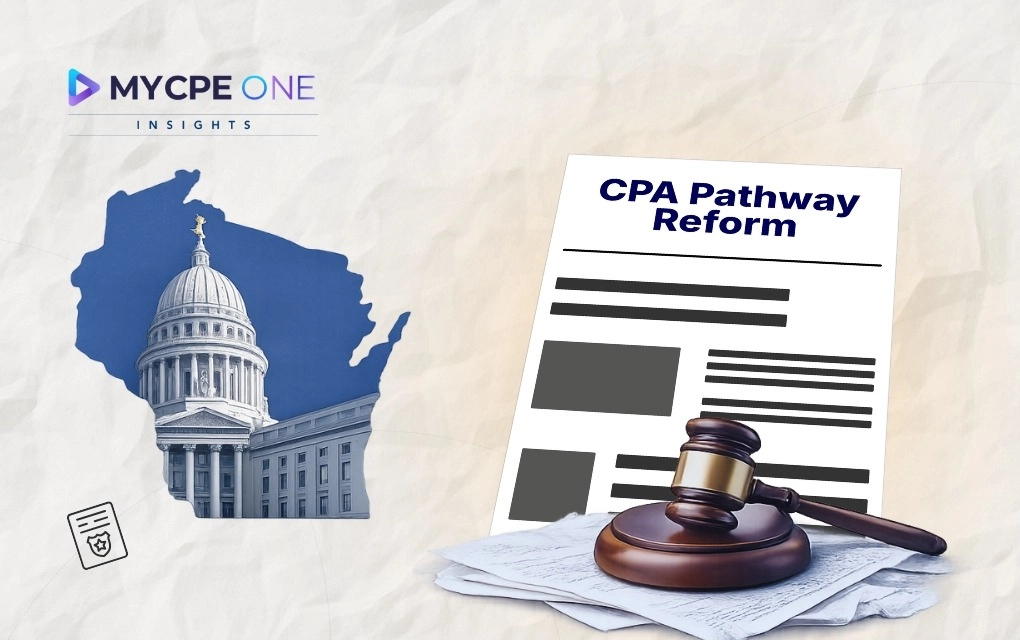
Wisconsin lawmakers have passed a bill creating a new pathway to CPA licensure that requires a bachelor’s degree, two years of experience, and a passing score on the CPA exam, reducing the previous requirement of 150 college credit hours. The move follows a wave of licensing reforms across the US, with nearly 45 states having already implemented or considering similar legislation, driven by staff shortages in accounting firms and criticism of the excessive costs associated with the previous requirements.
On paper, the CPA license has always been about three things: education, experience, and passing an exam that makes even seasoned pros sweat a little. In practice, it has also meant 150 college credit hours, which usually translates to five years of school and a bigger student loan tab. For years, that extra year was treated like gospel. Now, states are quietly rewriting the playbook. Wisconsin just joined the wave.
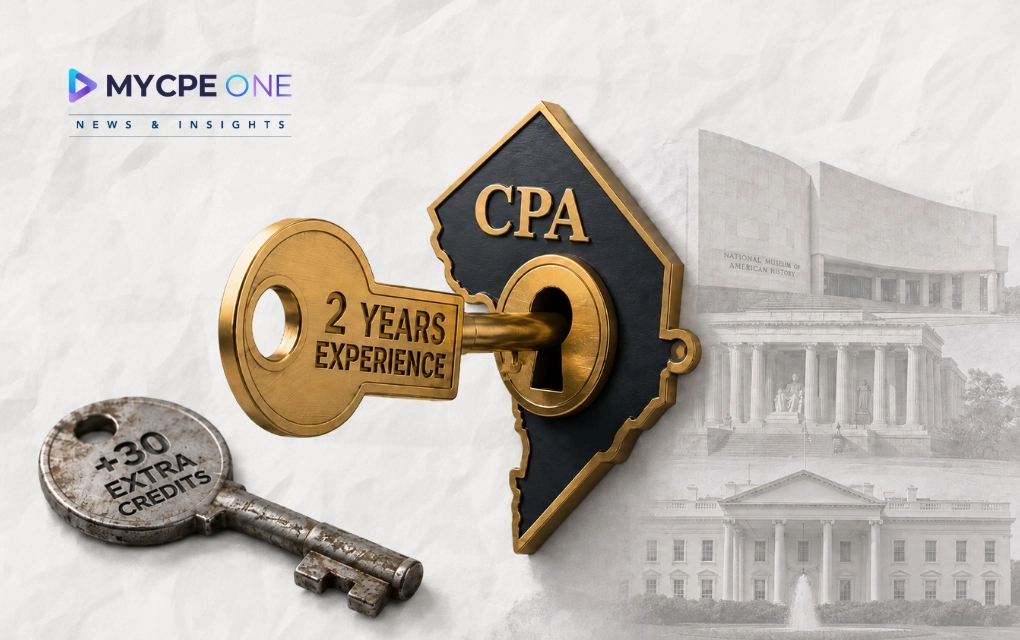
This week, Wisconsin lawmakers passed SB732, creating a third pathway to CPA licensure. The Senate approved it by unanimous voice vote on Wednesday, one day after the Assembly moved its companion bill. The measure now heads to Gov. Tony Evers, who is expected to sign it in March or April. Once signed, it takes effect immediately. No waiting period. No retroactive confusion. Under the new law, candidates can qualify with a bachelor’s degree, two years of experience, and a passing score on the CPA exam. The existing paths remain intact: 150 credit hours or a master’s degree, one year of experience, and the exam.
That 150-hour requirement has been standard in most states for decades. Critics have long argued it adds cost without clearly improving competency. Supporters saw it as a way to elevate the profession. But as enrollment in accounting programs dipped and firms started scrambling for staff, the math got uncomfortable. As Benjamin Franklin once said, “An investment in knowledge pays the best interest.” True. But what if the price tag keeps potential CPAs from investing at all?
Wisconsin is not going rogue here. About 45 states have either passed, introduced, or advanced changes to CPA licensing rules. Since early last year, roughly 26 states have already enacted new laws or adjusted rules. This year alone, 19 more states are moving bills or regulatory updates. That pace caught some experts off guard. Many expected reforms to stretch into 2027. Instead, legislatures are moving faster than a tax deadline in April. Massachusetts, for example, saw its Senate pass a licensure bill with an effective date set for Jan. 1, 2027, pending House approval. Alabama’s governor signed legislation on Jan. 30, though the state board still needs to finalize education details. If approved as expected, Alabama’s new format of a bachelor’s degree plus two years of experience and the CPA exam could take effect by Oct. 15.
In other words, this is not a blip. It is a structural shift. Why now? The accounting shortage is real. Smaller Wisconsin firms are merging or closing because they cannot find staff to handle audits and tax work. Big Four layoffs may grab headlines, but those firms are a different animal. They deal with turnover cycles and global staffing models. Local firms in Green Bay or Madison? Different story. When small businesses cannot find someone to sign off on financials or prep returns, that is not theoretical. That is operational pain.
If you are already licensed, you might be thinking, “So what?” Fair question.
Does this solve the shortage overnight? No. Passing the CPA exam is still no walk in the park. Two years of experience still requires supervision and mentoring. Firms will need to invest in training. If anything, the spotlight shifts from academia to employers. Are you ready to bring along associates for a full two-year experience track?
Wisconsin had the advantage of watching other states go first. The bill was introduced in November after stakeholders could see what worked elsewhere. According to supporters, the language is clear and not likely to trigger a messy regulatory scramble on the backend.
Still, details matter. Some states, like New York and Alabama, are still finalizing how their pathways will operate. Boards of accountancy will play a critical role in implementation. Long term, this could redefine how the profession markets itself. Instead of “five years minimum,” the message becomes, “Bachelor’s, two years, pass the exam.” That is simpler. It is also more in line with other licensed professions. But let’s not kid ourselves. The CPA license is still demanding. The exam remains a serious filter. As Warren Buffett famously said, “Risk comes from not knowing what you’re doing.” The exam ensures candidates know what they are doing. So, what happens next? Will universities rethink their program structures? Will firms rethink internship pipelines? Will other holdout states jump on board?
Until next time…
Don’t forget to share this story on LinkedIn, X and Facebook
Subscribe now for $199 and get unlimited access to MYCPE ONE, from CPE credits to insights Magazine
📢MYCPE ONE Insights has a newsletter on LinkedIn as well! If you want the sharpest analysis of all accounting and finance news without the jargon, Insights is the place to be! Click Here to Join
You’ve reached the 3 free-content piece limit. Unlock unlimited access to all News & CPE resources.
Subscribe Today.
Already have an account?
Sign In