

Scale your CPA & accounting firm with elite offshore talent trusted by 1,000+ firms.
Thank you for your interest. Our due diligence checklist will be shared with you within 48 hours.

If you run a CPA or accounting firm, you have probably felt the squeeze: more client work, fewer qualified people to do it, and a busy season that never seems to get shorter. Outsourced bookkeeping services have become the practical answer. They give you trained capacity on demand, predictable costs, and the room to focus on review and advisory work that actually grows the firm.
This guide explains what outsourced bookkeeping services are, what they cost in 2026, how the main delivery models compare, and how to choose the best partner. Every section is backed by current data so you can make the call with confidence.
Outsourced bookkeeping services are the practice of delegating routine bookkeeping work to an external specialist team rather than handling it in house. The provider records transactions, reconciles bank and credit card accounts, manages accounts payable and receivable, processes payroll, and prepares monthly financial statements using your software and agreed processes.
For CPA firms, this usually means adding offshore or remote capacity that works under your review, so your name stays on the deliverable and your clients keep their relationship with you. You get the output of a full bookkeeping function without recruiting, training, or carrying the overhead of in house staff.
The short answer is talent. The US accounting profession is in a structural shortage, and outsourcing has moved from a cost tactic to a capacity strategy.
The numbers tell the story:
At the same time, the market has matured. The global finance and accounting outsourcing market is worth about 59 billion dollars in 2026 and is forecast to reach 85.9 billion dollars by 2031. Roughly one in four CPA firms now outsource at least part of their accounting or bookkeeping work, and that share is climbing.
For most firms the logic is simple: you cannot hire your way out of the shortage, so you buy reliable, reviewable capacity instead.

Outsourced bookkeeping typically costs far less than an in house hire once you count the full burden of employment. Here is how the models compare in 2026.
| Model | Typical 2026 Cost | Best For | Trade-off |
|---|---|---|---|
| In house bookkeeper | 65,000 to 90,000 dollars a year, fully loaded | Firms wanting full daily control | Highest cost, single point of failure |
| Local or freelance | 25 to 50+ dollars an hour | Occasional or project work | Variable availability, limited backup |
| Managed virtual firm | 300 to 1,500+ dollars a month | Small firms wanting hands off books | Less control over who does the work |
| Offshore staffing | Up to 50 to 70 percent savings vs in house | Firms scaling capacity under their review | Needs onboarding and clear SOPs |
Cost factors to weigh:
Watch for entry pricing that climbs with catch up fees, payroll add ons, and transaction overages. Ask for the fully loaded monthly number before you sign.
Almost any routine, rules based bookkeeping task can be outsourced. Common ones include:
Higher judgment work, final review, advisory, and signing off on client deliverables, typically stays with your onshore team. If you need a specialist for a specific platform, you can also hire a QuickBooks bookkeeper who works directly inside your client files.
The best outsourced bookkeeping services match your firm's size, client mix, tech stack, and compliance needs. Price matters, but reliability, security, and experience matter more.
Evaluate providers on:
If you want capacity that works under your brand and review, an offshore team built for CPA firms gives you more control than a managed service that owns the staff.
Not all outsourcing looks the same. When you compare outsourced bookkeeping services, you are really choosing between four models, each with a different balance of cost, control, and scalability.
| Model | Control | Scalability | Best Fit |
|---|---|---|---|
| Local bookkeeper | High, in person | Low | Firms wanting face to face contact |
| Freelance or virtual | Medium | Medium | Light, low volume needs |
| Managed virtual firm | Low, provider owns staff | Medium to high | Hands off monthly books |
| Offshore staffing or dedicated team | High, works under your review | High | Firms scaling while keeping client ownership |
The right model depends on how much control you want. Firms that bill clients under their own name usually prefer offshore staffing or a dedicated team, because the work stays under their review and their brand. For broader outsourced accounting services for CPA firms, the same logic applies: keep judgment onshore, move repeatable execution to a trusted team.
The best tools for outsourced bookkeeping services are cloud accounting platforms: QuickBooks Online, Xero, Oracle NetSuite, Sage, and Zoho Books. Each gives your firm and your outsourced team shared, real time visibility into client books, with automation for invoicing, reconciliations, cash flow tracking, and reporting.
| Tool | Best For | Starting Price (2026, USD) | Standout Strength |
|---|---|---|---|
| QuickBooks Online | The US accounting standard | From 30 dollars a month; free for accountants via QuickBooks Online Accountant | Universal CPA familiarity |
| Xero | Firms needing many users | From 15 dollars a month | Unlimited users on every plan |
| Oracle NetSuite | Larger, complex firms | Custom quote on request | Full ERP with embedded AI |
| Sage | All in one accounting and payroll | Sage Accounting from about 10 dollars a month | Strong reporting and compliance |
| Zoho Books | Budget conscious and Zoho users | Free under 50,000 dollars revenue; paid from 20 dollars a month | Deep Zoho ecosystem integration |
Pricing reflects 2026 US list rates and varies by plan, promotion, and region.

QuickBooks Online is the platform almost every US accountant knows, which makes it the default for firms that outsource bookkeeping. QuickBooks Online Accountant is free for accounting professionals and gives your team remote access to client files, automated bank feeds, and customizable reports. Paid client plans start around 30 dollars a month for Simple Start and scale up to Advanced for higher volume firms.

Xero is a strong fit for firms that need several people in the books without per seat fees, since every plan includes unlimited users. It automates bank reconciliations, syncs with Hubdoc for receipt capture, and connects to Xero Practice Manager for workflow, timesheets, and billing. Plans start around 15 dollars a month for Early and rise with transaction limits.

Oracle NetSuite is a cloud accounting and ERP platform for larger or more complex firms and their enterprise clients. It automates accounts payable and receivable, tax compliance, account reconciliation, and financial reporting, with embedded AI across the general ledger. Pricing is quote based and provided on request.

Sage brings accounting, payroll, and reporting into one system, with strong compliance and cash flow tools. Sage Accounting suits small and mid sized firms, while Sage Intacct serves higher volume operations. In the US, Sage Accounting generally starts around 10 dollars a month and scales by feature set.

Zoho Books is the budget friendly choice, with a genuinely free plan for businesses under 50,000 dollars in annual revenue and paid tiers from about 20 dollars a month. It shines for firms and clients already using the Zoho ecosystem, integrating with 40+ Zoho apps for CRM, inventory, and payroll. Annual billing cuts roughly 20 percent off list pricing.
Whichever platform you choose, standardizing on one or two tools across your client base keeps your outsourced team efficient and reduces errors.
Outsourced bookkeeping services for small businesses, and for the small firms that serve them, deliver the biggest relative impact, because small teams feel the cost of a single hire and the risk of a single departure most sharply.
For a small accounting firm, outsourcing means you can take on more clients without adding headcount, keep books current during peak season, and offer clients clean, tax ready financials without stretching your senior staff. For the small business clients themselves, flat fee plans starting around 300 dollars a month replace a part time hire that often costs more once benefits and management time are counted.
The key is to start small. Outsource one workflow, reconciliations or accounts payable, prove the process, then expand.
MYCPE ONE has spent over a decade helping CPA and accounting firms build offshore bookkeeping and accounting teams that work under their direction. The difference is control: instead of handing your clients to a vendor, you get dedicated, trained professionals who operate as an extension of your firm.
What firms gain:
The result is scalable capacity that lets your firm shift from routine processing to higher value advisory work, without giving up control of your clients or your brand.
Outsourced bookkeeping services have become a core capacity strategy for CPA and accounting firms navigating a long term talent shortage. They cut costs, improve continuity, and free your best people for the advisory work that grows the firm. Whether you are a small practice testing your first workflow or a growing firm scaling a full offshore team, the move pays off when you choose a partner on security, experience, and fit, not price alone. With the right model in place, your books stay clean, your clients stay yours, and your firm stays ready for whatever the next busy season brings.
You can outsource transaction recording, bank and credit card reconciliations, accounts payable and receivable, payroll processing, month end close, financial reporting, sales tax tracking, and 1099 preparation. Final review and advisory work usually stay with your onshore team.
Most outsourced bookkeeping teams work in cloud accounting platforms such as QuickBooks Online, Xero, Oracle NetSuite, Sage, and Zoho Books. These tools give your firm and your provider shared, real time access to client books and automate invoicing, reconciliations, and reporting. The best choice is usually the platform your clients already use.
Managed virtual plans typically run 300 to 1,500 dollars a month, freelance bookkeepers charge 25 to 50 dollars an hour, and offshore staffing models save 50 to 70 percent versus a full time hire that costs 65,000 to 90,000 dollars a year fully loaded.
Yes, when you choose a provider with strong controls. Look for SOC 2, ISO 27001, and GDPR compliance, data encryption, role based access, and a documented breach history before sharing any files.
The best providers for CPA firms offer accounting firm experience, security certifications, scalable capacity for tax season, and a model that keeps work under your review. Offshore staffing and dedicated team models give firms the most control.
Compare the four main models, local, freelance or virtual, managed firm, and offshore staffing, on control, scalability, security, and cost. Match the model to how much oversight you want and whether you bill clients under your own brand.
Yes. A key advantage of outsourcing, especially offshore staffing, is the ability to ramp capacity up for peak season and scale back afterward without hiring or laying off staff.
The US accountant shortage is the main driver. With roughly 75 percent of AICPA members at retirement age by 2020 and over 300,000 professionals leaving the field since 2019, firms cannot hire fast enough and are turning to outsourced capacity instead.

Shalin (Shawn) Parikh, CA, is the Co-Founder and CEO of MYCPE ONE, a global platform empowering 3,000+ CPA firms through innovative CPE solutions, offshoring, marketing, M&A, and beyond. With over 15 years of experience, Shawn helps accounting and tax professionals scale smarter, a visionary entrepreneur, value investor, and hardcore believer in using tech and education to drive change. Passionate about innovation and growth, he continues to inspire firms worldwide to embrace AI, strategic thinking, and long-term success. Beyond business, Shawn drives social impact through the Social Eye Foundation, advocating for accessible education and stronger communities.


How to Scale CAAS (Client Accounting & Advisory Service) + VCFO with Offshoring!


How To Scale CFO And Advisory Services With Offshoring

Bursting myths around Offshoring for an Accounting firm
Complete Guide to Audit Support Outsourcing for UK Accounting Firms
 CA Nemin Vora
How to Choose the Right Tax Offshoring Partner for Your UK Accounting Firm
CA Nemin Vora
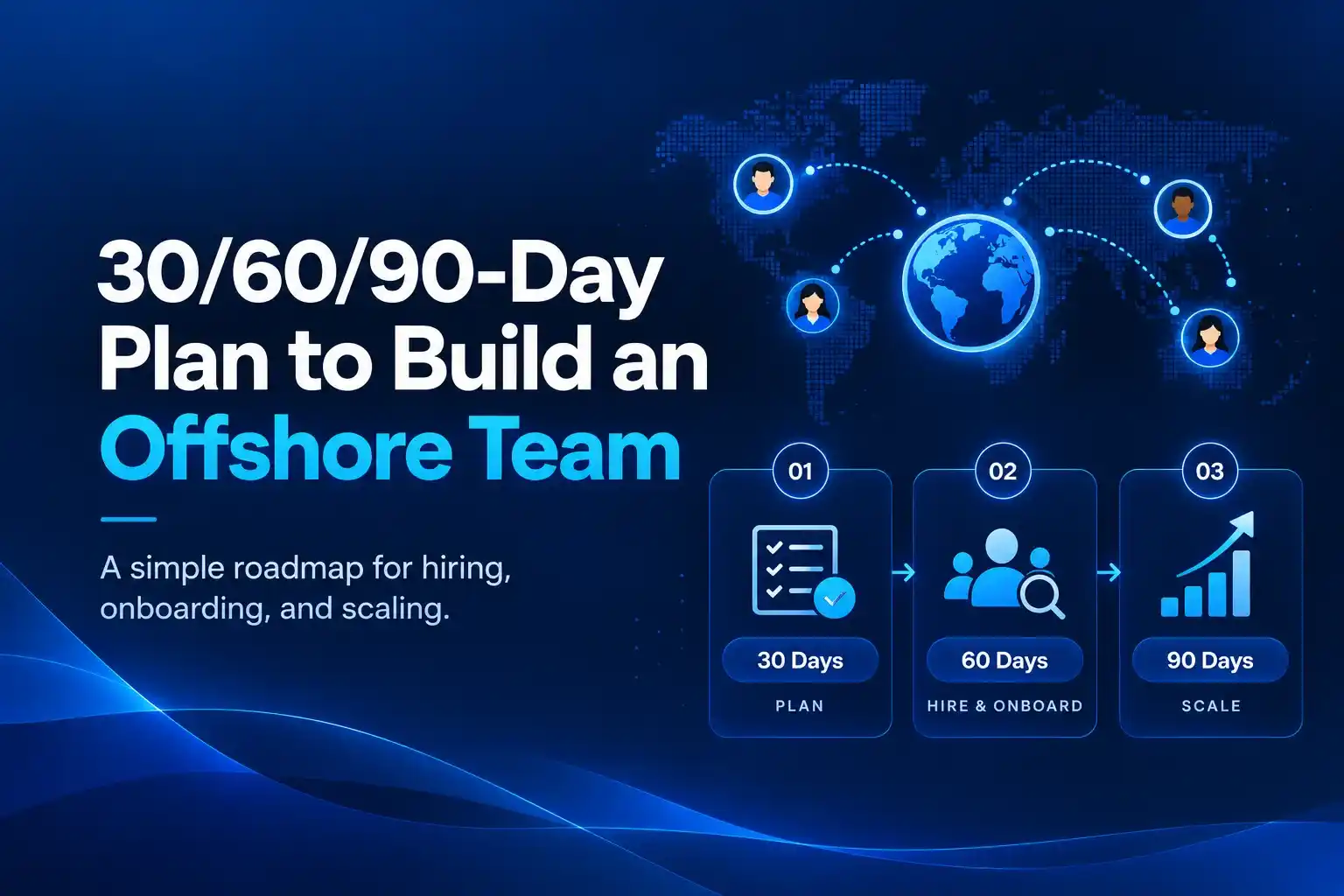
How UK Accounting Firms Should Build an Offshore Team: 30/60/90-Day Playbook
CA Nemin Vora





