©2026 - www.my-cpe.com All rights reserved
support@my-cpe.com7 Days Free Trial
for Enterprise Subscriptions
You have Not Selected the Monthly or Annual Plan

#1 Global Platform for Continuing Education
Create your Free Account | Get Unlimited Access only @$199/Year ( View Details )
Trusted by 250,000+ Professionals for Continuing Education
Create Your Account 1/2
Already have an account? Log In
To Continue using Trial, please verify your email address
Didn’t received verification email? Resend Email
You can cancel anytime during your trial period.
Become a
MYCPE ONE Member
@ $199 $189
33% Discount on Annual Subscription


Complete Access to 12,000+ Hours of Content
Trusted by 250,000+ Professionals
"Steven was knowledgeable and thorough…”
Steven was knowledgeable and thorough in his information about the product and what is offered. He was empathetic to my situation. He went above and beyond answering all of my many questions. Excellent service!

Crystal lovejoy
"Great Customer Service”
Great service and very patient as I asked several questions. Steven answered all my questions and helped me make the right decision in my subscription purchase. Thank you.

Lori corry
"It is what it advertised to be”
It is what it advertised to be. Professional quality training and CPE tracking and certificates; systems knows AZ CPA CPE requirements and categories. I've needed help on several occasions and the assistance was quick and effective; however, there were some problems with data entry. The assistance sometimes asks for input, but when I try to type it is dissallowed for some reason. On several occasions I had to close the popup to get it out of my way.

Brian Carey
"Great customer service”
Great customer service. Classes are pertinent. Great value

Steve

Trusted by 250,000+ Professionals
Trusted by 250,000+ Professionals
"Steven was knowledgeable and thorough…”
Steven was knowledgeable and thorough in his information about the product and what is offered. He was empathetic to my situation. He went above and beyond answering all of my many questions. Excellent service!
Crystal lovejoy
"Great Customer Service”
Great service and very patient as I asked several questions. Steven answered all my questions and helped me make the right decision in my subscription purchase. Thank you.
Lori corry
"It is what it advertised to be”
It is what it advertised to be. Professional quality training and CPE tracking and certificates; systems knows AZ CPA CPE requirements and categories. I've needed help on several occasions and the assistance was quick and effective; however, there were some problems with data entry. The assistance sometimes asks for input, but when I try to type it is dissallowed for some reason. On several occasions I had to close the popup to get it out of my way.
Brian Carey
"Great customer service”
Great customer service. Classes are pertinent. Great value
Steve
Subscribe Now at $189/ 12 Months
Topic of Interest
Select the topics of your interest to receive Webinars/Virtual Events/E-Books/Podcasts of your interest.
Selected Topics
Important: Course Deactivation Alert
Below mentioned Courses will be deactivated soon due to outdated content. Complete the course within the next 7 days to receive credits. After Expiry date, the course will be unavailable for credit. For assistance or inquiries, please contact our support team at support@my-cpe.com.
Course Name
Thank You.
CPAs should look for a CPE platform that does four things well: it offers enough course variety to cover every license and field of study you report, it organizes courses into learning paths that build real skills, it meets NASBA quality standards, and it delivers credit in the formats your state board accepts. Price, design, and extras only matter once those four boxes are checked.
Most CPAs still pick a platform under deadline pressure. Ethics hours are due, the cheapest option wins, and the same scramble repeats three years later. The cost shows up later: rejected credits during a board audit, a library with nothing past the basics in your specialty, or hours spent in webinars that taught you nothing new.
Before you look at a single course, confirm the sponsor is listed on the NASBA National Registry of CPE Sponsors and that your state board accepts its delivery methods. Treat this as a pass/fail. A great course your board rejects is worth zero credits.
Always look for a high-quality course approved by NABSA, meeting standards, with current information delivered by a professional subject matter expert.
Things to look for in a qualified, high-quality course:
The right CPE format depends on your schedule, how you learn best, and what your state board accepts. Most CPAs do best with a mix: live webinars for interaction and ethics, on-demand self-study for flexibility, and nano learning to close small gaps.
After accreditation and content, the features that save the most time are compliance tracking, certificate management, and mobile access. They decide whether CPE runs in the background or turns into a deadline fire drill.

For most CPAs who need around 40 hours a year, an unlimited CPE subscription costs less per credit and makes it easier to take the courses you want, not just the cheapest ones. Pay-per-course makes sense when you need a few specific credits, such as one state ethics course.
Pros: Pay only for what you take
Cons: Highest cost per credit; discourages exploring new topics.
Pros: Predictable annual cost; full catalog access
Cons: Renewal price may differ from the first-term promotional price
Pros: Central tracking, course assignment, volume pricing
Cons: Needs an internal owner to drive adoption
The right CPE platform for CPAs keeps you compliant with minimal effort and improves your work along the way. Start with NASBA registration and your state's rules, then compare course variety, learning paths, quality, and learning formats with the scorecard above.
No single CPE platform is best for every CPA. The best choice is a NASBA-registered sponsor accepted by your state board that covers your fields of study and specialty, offers formats that fit your schedule, and tracks compliance across every license you hold. Compare two or three options with a weighted scorecard.
Check that the sponsor is on the NASBA National Registry for that delivery method, then confirm your state board's rules on formats, ethics, and approved sponsors. State boards have final authority on acceptance, so the board's rules outweigh any provider's claim.
QAS self-study from NASBA-registered sponsors is widely accepted, but some states set limits or require group hours. Minnesota, for example, requires at least 24 hours of group or blended learning in each rolling three-year period, so self-study alone will not satisfy it.

Imtiaz Munshi, CPA (US), is the CFO at Azstec, LLC and a trusted advisor to high-net-worth entrepreneurs. A seasoned tax planner and a business strategist with his 25 years of experience, he helps businesses grow smarter and stronger. Imtiaz specializes in guiding entrepreneurs and enterprises through complex financial decisions with clarity and confidence. His passion lies in simplifying strategy, optimizing tax outcomes, and driving sustainable growth. Through his work and thought leadership, Imtiaz continues to empower CPAs and business owners to stay ahead in an evolving financial landscape shaped by AI, ESG, and data-driven change.

Wrongful Death Litigation: Benefits, Taxes & Present Value


Financial Planning: Divorce, Unmarried Couples & More

Guiding Grieving Clients Through Financial Decisions

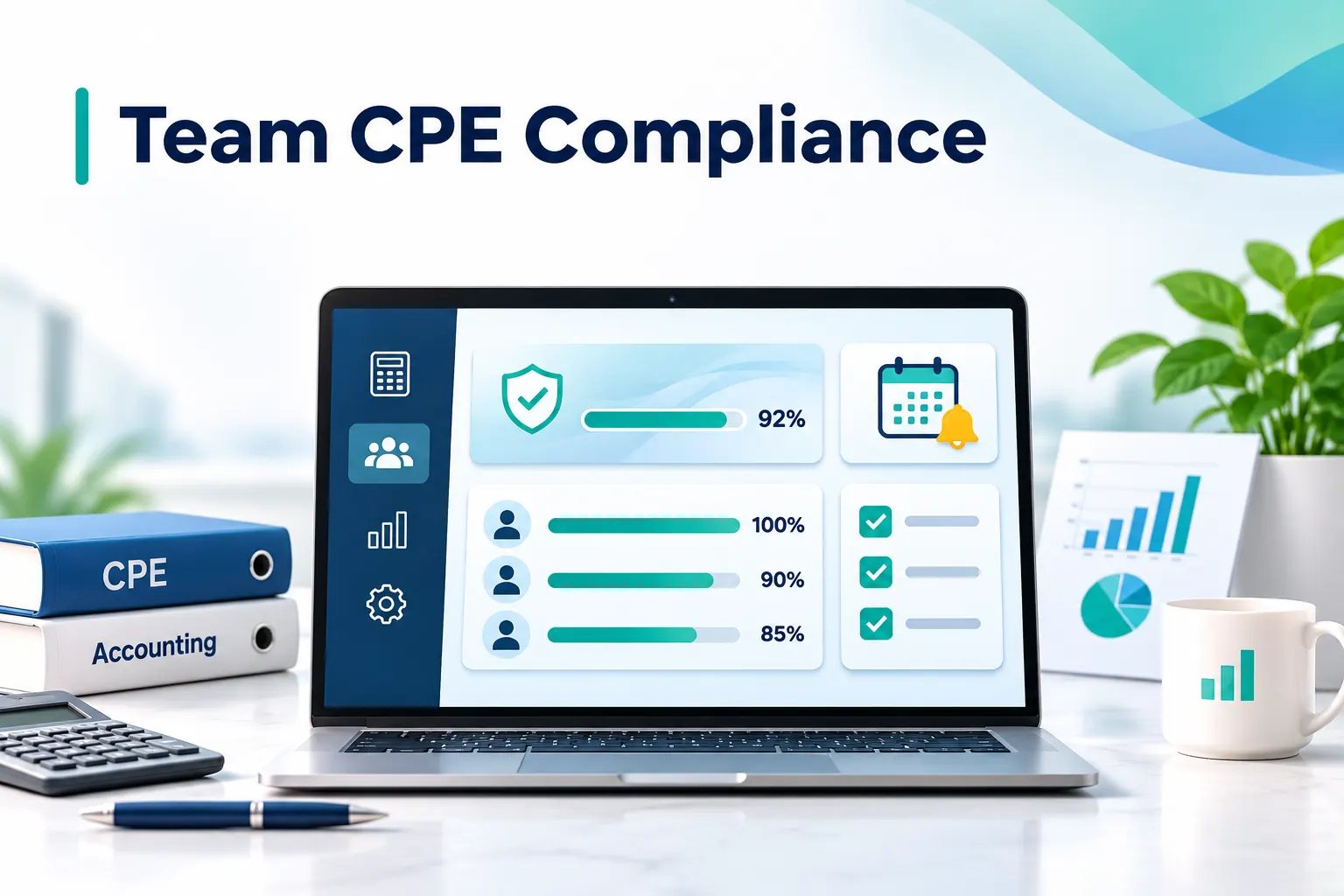
How Small Accounting Firms Can Manage CPE Compliance for Their Entire Team
Imtiaz Munshi, CPA

How Is AI Changing the Role of Accountants in Modern Accounting Firms?
Imtiaz Munshi, CPA
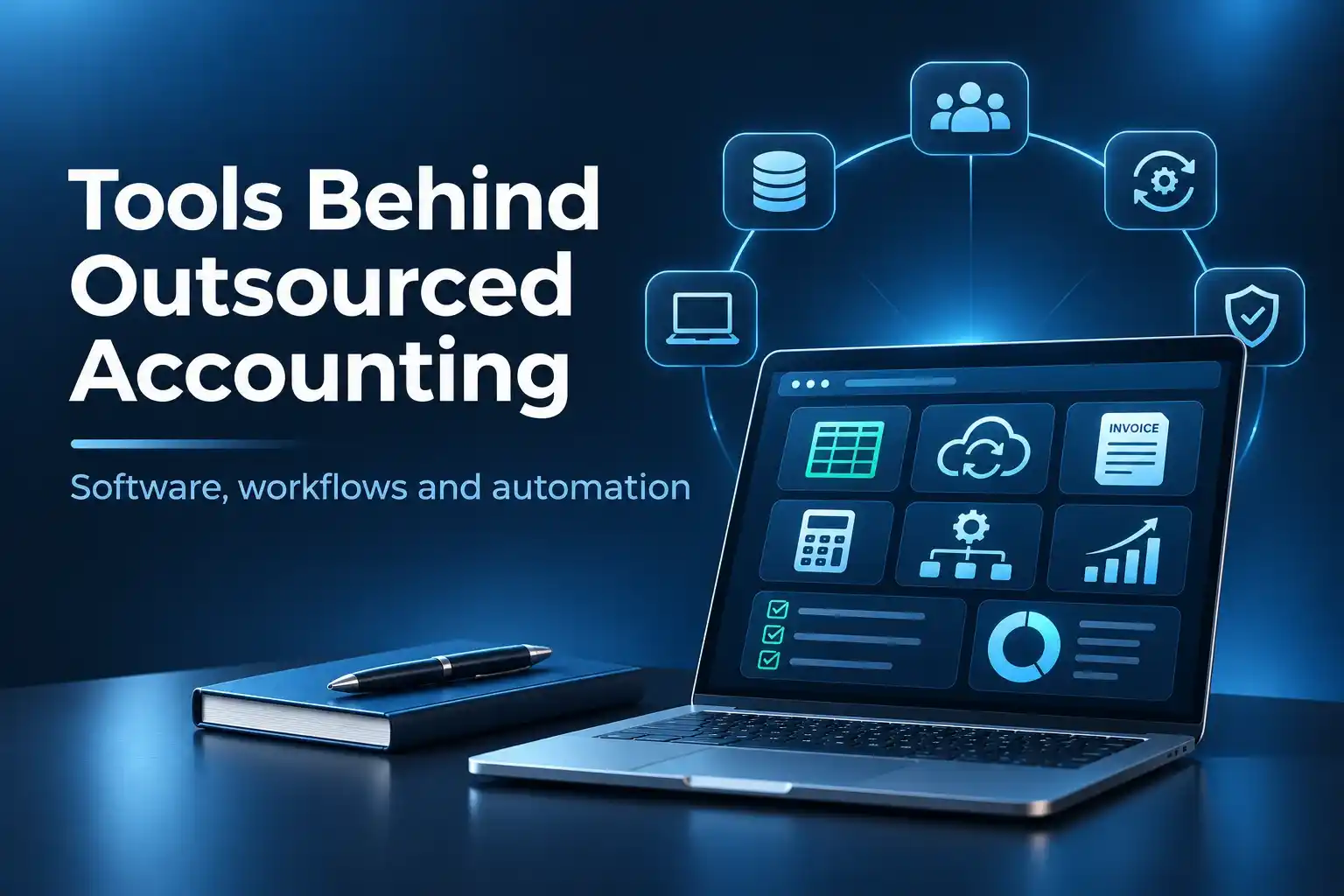
What Tools Do Accounting Outsourcing Companies Use to Support CPA Firms?
 Christopher Rivera

Registration Completed

Something Went Wrong!! Please Try Again.

Registration Completed

Please Update Your Profile to Claim Your Continuing Education Credits.

Thank you for subscribing 7 Days Free Trial.
Please upgrade your browser to use MYCPE ONE
Experience MYCPE ONE at its best! Upgrade your browser for a more interactive, user-friendly interface, and stay ahead in your professional development journey.
Upgrade NowHow did you find out about us?
We were looking so hard for you now that you are finally here, So would you tell us how you found out about us?

What is your primary purpose to use MYCPE ONE?

Thank you for submitting your inquiry! We will contact you soon.
CloseOur Promise