

Scale your CPA & accounting firm with elite offshore talent trusted by 1,000+ firms.
Thank you for your interest. Our due diligence checklist will be shared with you within 48 hours.

Offshoring accounting work is no longer a fringe strategy reserved for large firms. According to a 2023 AICPA survey, 34% of CPA firms with more than 10 employees now use offshore talent in some capacity. India, Philippines, and Eastern Europe have emerged as major sources of trained accounting professionals eager to serve US-based firms.
The opportunity is real. So is the risk. Offshore hiring without rigorous skills verification is the accounting equivalent of buying a car without a test drive except the car is processing your clients’ financial statements.
The offshore accounting market is not uniformly skilled. Credential inflation is widespread in some markets, where candidates routinely overstate QuickBooks proficiency, GAAP knowledge, or US tax experience. Without objective testing, firms frequently discover skill gaps only after client work has been affected.
The solution is elegantly simple: require every offshore candidate to complete a role-appropriate MYCPE ONE assessment before any interview or contract discussion. This creates a level playing field where geographic location is irrelevant and only demonstrated competency counts.

“The world is flat when it comes to talent, but you still have to know who you’re hiring. Distance is not an excuse to skip due diligence.”
— Thomas L. Friedman, Author, ‘The World Is Flat’
MYCPE ONE Assessments are designed to be administered to candidates anywhere in the world. The AI anti-cheating system works regardless of the candidate’s location, ensuring that a test taken in Mumbai is as trustworthy as one taken in Minneapolis. Firms building offshore relationships can now establish a consistent, defensible quality baseline across their entire team, domestic and international.

1. Establish minimum assessment score thresholds by role before any offshore candidate is interviewed.
2. Test specifically for US GAAP, US tax, and relevant software (not generic accounting knowledge).
3. Define Role-Based Assessment Thresholds
4. Include a communication skills evaluation component for client-facing offshore roles.
5. Create role-appropriate onboarding tracks using MYCPE ONE CPE content after hire.
6. Reassess offshore staff annually to verify ongoing knowledge currency.
A sustainable offshore model needs more than hiring. It requires structured onboarding and continuous learning. Role-specific training helps teams get productive faster. Regular reassessments keep skills updated and accurate. Over time, this builds consistency and trust. Firms that invest in learning and evaluation create offshore teams that are reliable, efficient, and aligned with long-term performance goals.

Amrit Singh is a business leader with 10+ years of experience in continuing education. Helping accounting, tax, and finance professionals stay compliant with ease, he began his journey as a consultant. Learning across industries before stepping into a leadership role, he is shaped by both successes and failures. Amrit is passionate about problem-solving, building products, exploring technology, and mentoring future leaders. He is dedicated to transform continuing education, making it simpler, smarter, and more meaningful. Through his blogs and talks, he shares insights on accounting careers, CPA compliance, and the future of continuing education.


Crack the Code: Unleashing Hidden Talents for Workplace Magic


.webp-1717773117 "Understanding Your Talent Development Function")
Understanding Your Talent Development Function


Fundamentals of Managing and Developing Talent
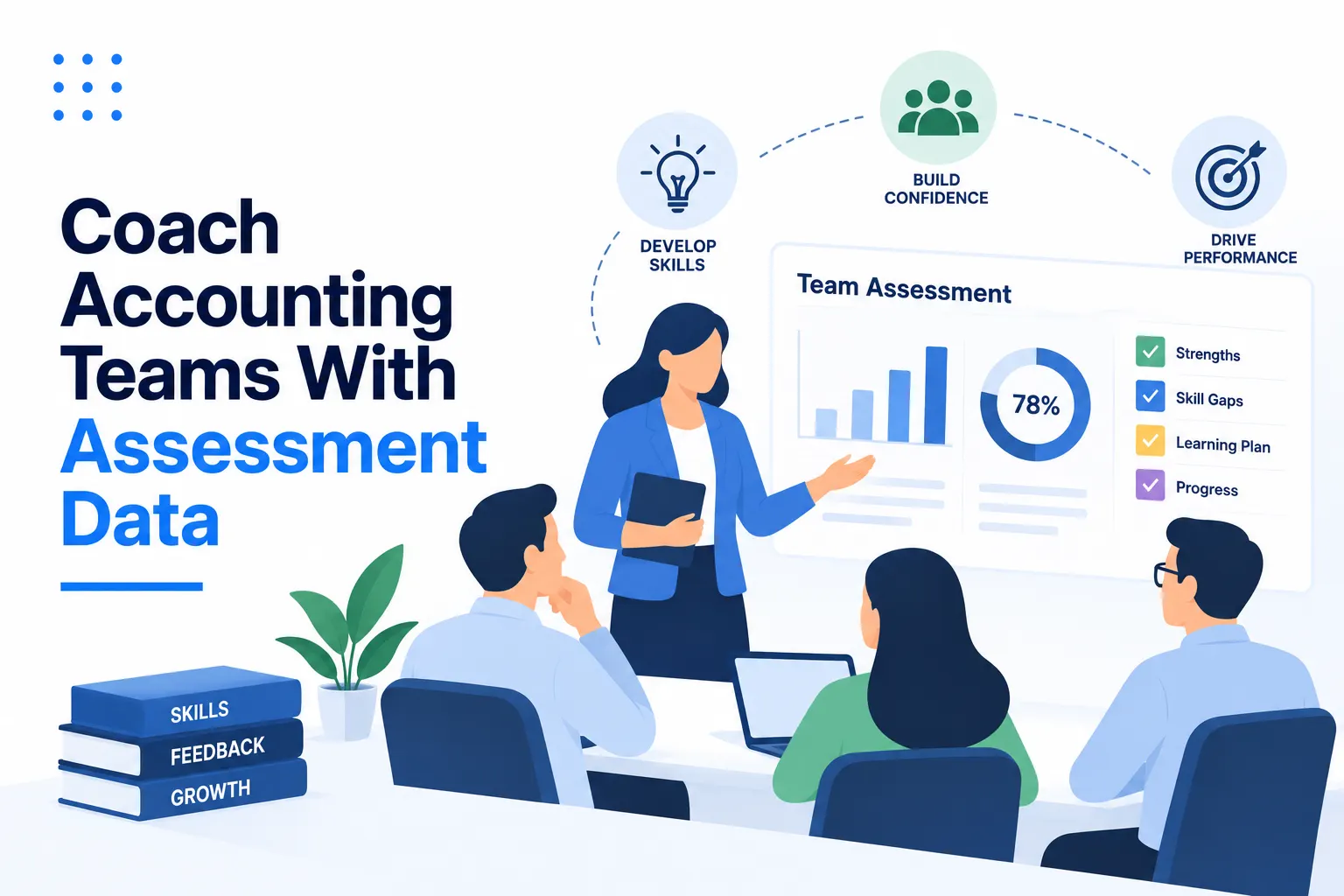
Manager’s Playbook: How to Coach Accounting Teams Using Assessment Data
Amrit Singh





