
Scale your CPA & accounting firm with elite offshore talent trusted by 1,000+ firms.
Thank you for your interest. Our due diligence checklist will be shared with you within 48 hours.

Audit offshoring is the practice of engaging qualified accounting and audit professionals overseas to support UK firms through the audit cycle. It covers PBC (prepared-by-client) list management, working paper preparation, reconciliations, walkthroughs, and evidence documentation.
For UK firms facing tighter deadlines, ISQM 1 obligations, and a shortage of qualified staff, audit offshoring has become one of the most practical ways to stay audit-ready without expanding headcount.
This guide covers what audit offshoring is, why UK firms are adopting it, and what to look for in a partner.
Audit offshoring means handing off defined parts of the audit process, not the audit opinion itself, to a qualified team in a lower-cost location. The engagement partner and UK-based team retain full control, sign-off, and professional responsibility.
The offshore team acts as an extension of the audit floor, preparing lead schedules, running reconciliations, drafting working papers, documenting walkthroughs, testing samples, and flagging exceptions for partner review. It is capacity support, not a replacement for professional judgement.
Most UK firms do not offshore audit work because it is trendy. They do it because the alternative is worse. A few pressures show up in almost every conversation with UK practice leaders:
Together, these pressures mean firms need more capacity and better documentation discipline at once, without a proportional rise in fees. That is the gap audit offshoring closes, while giving firms access to Hire Auditor for UK Accounting Firms support when needed.
Audit readiness comes down to whether your file would survive a regulator's inspection on any given day. Offshore teams help on several fronts:

A mid-sized UK firm with 25 audit staff and a 30% capacity gap during busy season is a fairly typical case. Bringing in six to eight offshore associates for PBC tracking, reconciliations, and working paper preparation has, in comparable engagements, cut overtime costs by roughly 40% while keeping documentation aligned with ISQM 1. No new permanent headcount, no recruitment lag, no drop in quality.

Not every offshore provider is built for audit work, and the wrong choice creates more review burden than it removes. Look for:
Some providers also offer structured ownership routes, such as a Build-Operate-Transfer model, for firms that eventually want to run their own dedicated offshore entity rather than a purely outsourced arrangement.
| Audit Offshoring | Traditional UK Recruitment | |
|---|---|---|
| Time to onboard | Weeks | Months, given the current talent shortage |
| Cost | 40-60% lower on comparable roles | Full UK salary, National Insurance, benefits |
| Flexibility | Scales up or down with busy season | Fixed headcount, hard to reduce |
| Standardisation | Built around templates from day one | Depends on individual hire |
Most firms that offshore successfully still recruit locally for client-facing and senior roles, using offshore capacity for the high-volume preparation work underneath. For a closer look at this trade-off, see Offshore vs Local Accounting: Best Growth Strategy for CPA Firms.
Audit offshoring is not about cutting corners. Done properly, it gives your existing team more room to focus on judgement calls, client conversations, and the parts of an audit that genuinely need a partner's signature, while a qualified offshore team handles the preparation work underneath.
Finding the right talent is becoming harder than ever, especially as firms need professionals who are not just technically strong but also AI-savvy and adaptable to modern workflows.
At MYCPE ONE, we help CPA firms, accounting firms, businesses, and enterprises build high-quality offshore teams across audit, accounting, tax, advisory, back-office functions, digital marketing, sales, IT, and several other functions. Read what sets MYCPE ONE apart from other providers, or schedule a call with us to explore how audit offshoring could work for your firm.
Audit offshoring is the practice of using qualified accountants overseas to handle defined support tasks, such as reconciliations, working papers, PBC tracking, and walkthrough documentation, while the UK engagement partner retains sign-off and professional responsibility. It adds capacity and consistency to the audit process, particularly during busy season, without the delay of hiring permanently in the UK.
ISQM 1 requires firms to demonstrate consistent, monitored quality across every engagement. Offshore teams typically work from standardised templates, making it easier to show a regulator the same process was applied file by file. Combined with a defined review structure, this creates a clearer audit trail than individually varied working papers often provide.
Costs vary by scope and seniority of staff required, but UK firms typically see staffing cost reductions of 40-60% compared with hiring equivalent roles locally. Most providers offer flexible models, from a handful of hours during busy season to a dedicated year-round team. It is worth shortlisting a few outsourced accounting companies in India or the Philippines and comparing quotes before committing.
It can be, provided the offshore partner has documented data protection controls, clear data residency arrangements, and signed confidentiality agreements before any client information is shared. UK firms remain responsible for their clients' data under GDPR, so due diligence on the provider's security practices should happen before onboarding.
Yes, provided the provider trains staff specifically in ISA (UK) and ISQM 1, rather than only US or international standards. This is worth verifying before engaging a provider, since audit methodology differs enough between jurisdictions that generic experience is not a substitute for UK-specific training.

Nemin Vora, a CA and Tax Attorney, leads Client Relations at MYCPE ONE. With 7+ years of experience at Big 4 and top public accounting firms across America, he helps U.S. firms scale globally through remote talent, offshoring, and cloud operations. Known for his sharp tax insights and practical approach to firm growth, Nemin is a dynamic speaker. He breaks down complex topics such as leadership, AI, global staffing, and practice expansion into relatable lessons that professionals actually enjoy learning. Beyond the strategy decks, Nemin is a learner at heart, a stage actor, and a tech enthusiast.


How to Scale CAAS (Client Accounting & Advisory Service) + VCFO with Offshoring!


How To Scale CFO And Advisory Services With Offshoring

Bursting myths around Offshoring for an Accounting firm
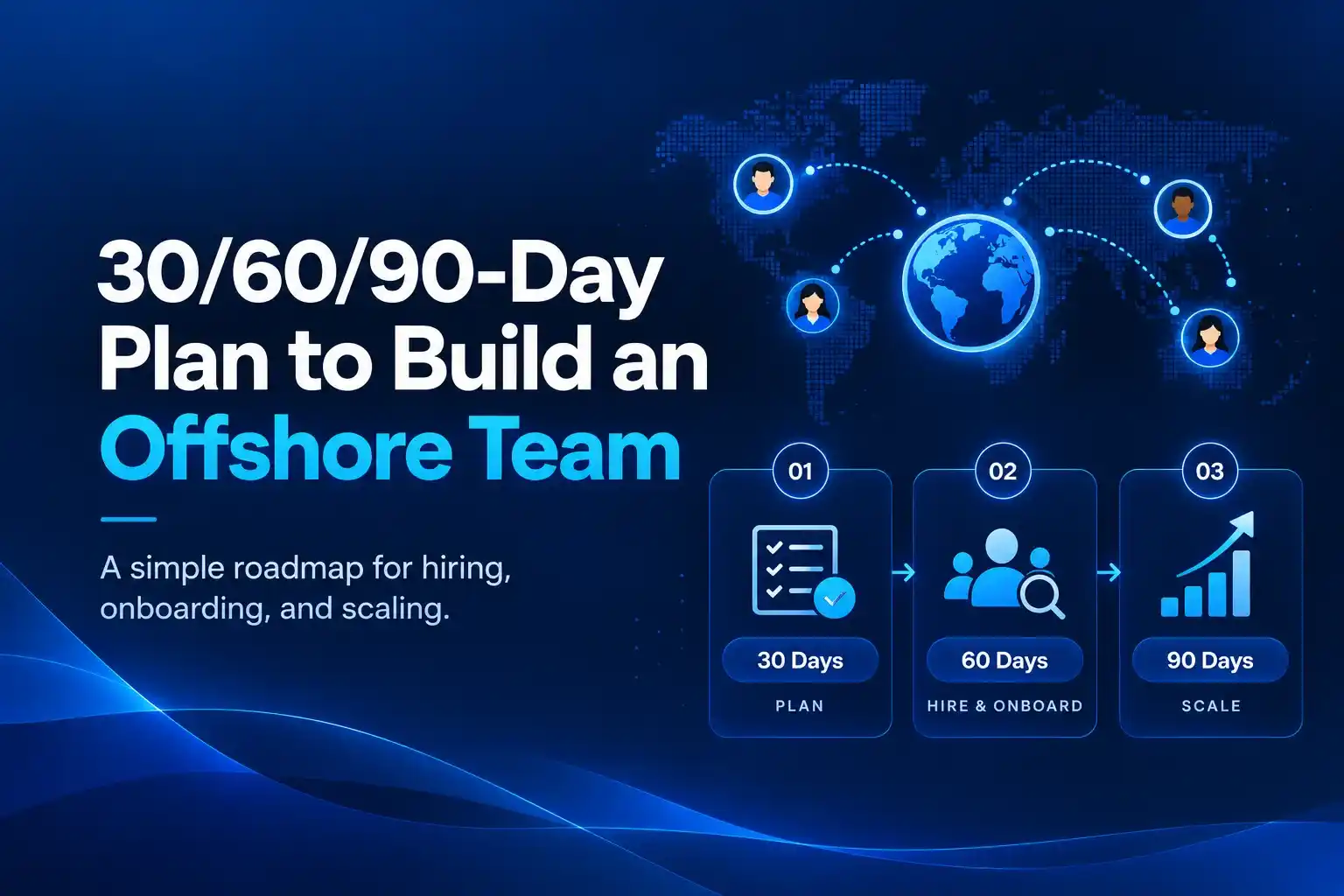
How UK Accounting Firms Should Build an Offshore Team: 30/60/90-Day Playbook
CA Nemin Vora